
Should I Use Insurance for Auto Body Repair?
After an accident, bumper scrape, dent, or paint damage, one common question is:
Should you use insurance for car damage, or should you pay for the repair yourself?
The answer depends on the repair cost, your deductible, your coverage, the cause of the damage, whether another driver was involved, and whether hidden damage may appear later.
This guide explains how to compare insurance and direct payment before approving auto body repairs.
CollisionFix can review the visible damage and help you understand the repair path with an estimate.
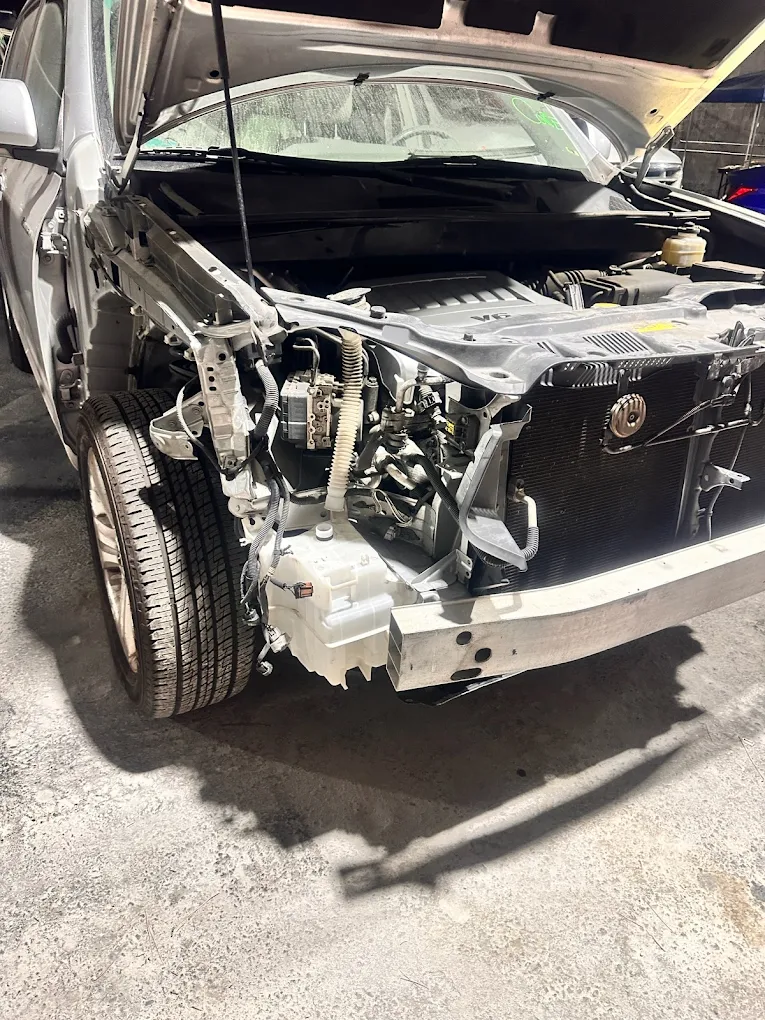
Start With a Repair Estimate First
Before deciding between insurance and direct payment, start with an estimate.
A repair estimate helps show what damage is visible and what repair work may be needed.
An estimate may include:
- bumper damage
- dents
- scratches
- paint damage
- damaged panels
- labor
- parts
- refinishing
- possible hidden damage notes
- insurance-related repair notes
Without an estimate, it is hard to compare the repair cost with your deductible.
If your vehicle already has visible damage, start with an estimate.
How Your Deductible Affects the Decision
Your deductible is the amount you may need to pay before insurance helps with a covered repair.
If your deductible is high and the repair cost is close to that amount, paying directly may be simpler.
If the repair cost is much higher than your deductible, an insurance claim for body repair may make more sense.
Before deciding, ask:
- What is my deductible?
- What is the estimated repair cost?
- Is the damage covered by my policy?
- Was another driver involved?
- Could hidden damage change the estimate?
- Will insurance need to approve the repair?
- Could a claim affect my future premium?
When Paying Out of Pocket May Make Sense
Paying out of pocket may make sense when the damage is minor and the repair cost is close to or below your deductible.
This may include:
- small scratches
- minor paint scuffs
- small dents
- light bumper damage
- small cosmetic repairs
- damage you do not want to file as a claim
- repairs where the estimate is lower than the deductible
This can be a practical option when the damage is simple and no other driver, injury, or major accident concern is involved.
Still, get an estimate first. Small bumper damage can sometimes hide broken clips, bracket damage, or deeper paint damage.
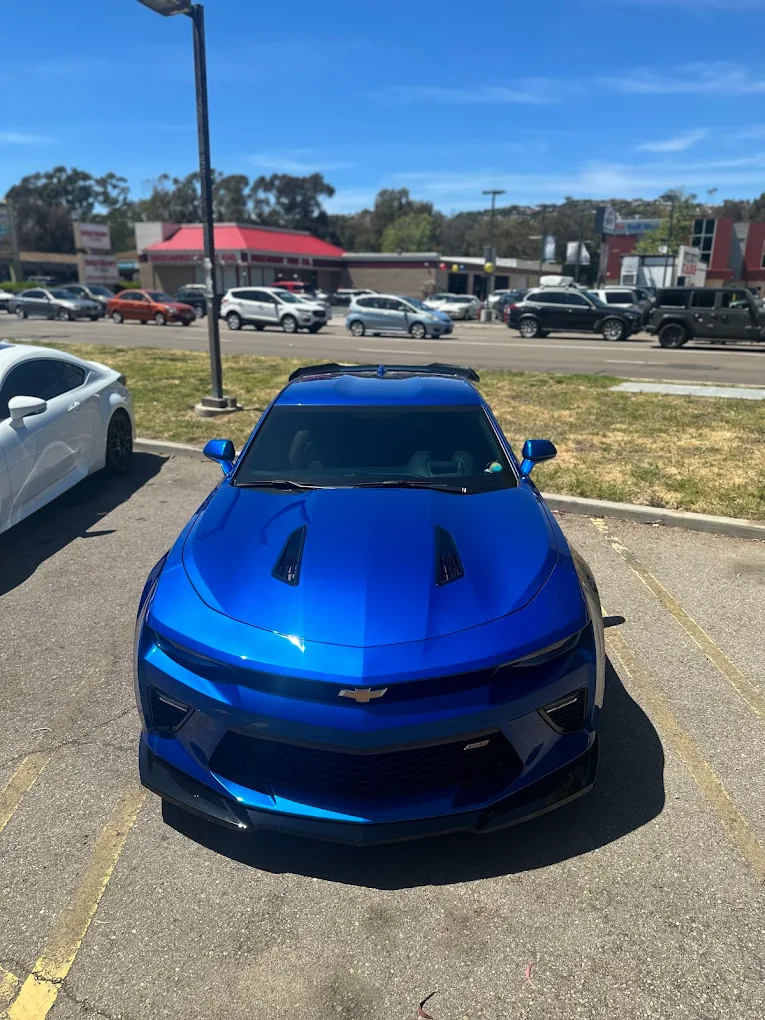
When Insurance May Be the Better Starting Point
Insurance may be worth considering when the damage is more serious, more expensive, or connected to an accident.
This may include:
- major collision damage
- bumper impact damage
- cracked or loose bumper damage
- damaged panels
- broken lights
- possible frame damage
- deep paint damage
- damage from another driver
- hit-and-run damage
- damage that may cost much more than your deductible
- hidden damage concerns
If the repair may involve parts, paint, supplements, or deeper inspection, your insurer may need to review the estimate before repairs are approved.
For claim-related collision help, visit our insurance collision repair page.
Compare the Estimate With Your Deductible
The simplest decision point is the gap between the estimate and your deductible.
| Situation | Common Starting Point |
|---|---|
| Estimate is below your deductible | Paying out of pocket may make sense |
| Estimate is close to your deductible | Compare both options carefully |
| Estimate is much higher than your deductible | Insurance may be worth considering |
| Another driver caused the damage | Insurance may be involved |
| Hidden damage is possible | Get an estimate before deciding |
| Vehicle has structural or safety concerns | Insurance and collision review may be needed |
| You are unsure | Start with an estimate |
This comparison gives you a clearer starting point before you approve repairs.
Think About Possible Premium Impact
Some drivers worry that an insurance claim may affect future rates.
That concern can be part of the decision, especially when the repair is small and the estimate is close to the deductible.
Before filing a claim, ask your insurer:
- Will this claim affect my premium?
- Does fault matter in this situation?
- How does my deductible apply?
- Is this damage covered?
- Will the insurer need photos or an estimate?
- Can I choose my own repair shop?
If the damage is minor, an estimate can help you decide whether the claim is worth starting.
Damage Severity Matters
Damage severity is one of the biggest factors.
Minor exterior damage may be simple to repair. Larger accident damage may involve more repair steps.
Minor damage may include:
- light scratches
- small dents
- minor bumper scuffs
- paint transfer
- small chips
More serious damage may include:
- cracked bumpers
- loose bumper sections
- bent panels
- broken lights
- deep paint damage
- possible frame damage
- damage behind the bumper
- airbag deployment
- warning lights after impact
The more severe the damage, the more important the estimate becomes.
For accident-related damage, visit our auto collision repair page.
Why Hidden Damage Can Change the Repair Cost
Some damage is visible right away. Other damage appears only after closer inspection.
Hidden damage may include:
- broken bumper clips
- damaged brackets
- bent mounting points
- damage behind a bumper cover
- cracked support pieces
- sensor issues
- panel alignment problems
- frame-related concerns
This is why the first estimate may not always be the final repair cost.
If hidden damage appears, the shop or insurer may need to review the repair plan again.
What Are Supplements in Auto Body Repair?
Supplements are updated to an original estimate when more damage is found after the repair begins or after teardown.
A supplement may include:
- additional labor
- more parts
- extra paint work
- hidden bumper damage
- bracket or mounting damage
- panel repair updates
- insurance review notes
Supplements are common when the full damage cannot be seen during the first inspection.
If insurance is involved, a supplement may need insurer review before the added repair work continues.
How Insurer Approval Works
If you file a claim, your insurer may need to review the estimate before repairs are approved.
The insurer may ask for:
- photos
- claim number
- accident details
- repair estimate
- vehicle damage notes
- supplement information
- repair authorization details
A repair authorization means the repair can move forward based on the approved estimate or agreed repair plan.
Before approving work, ask what is included, what may change, and whether hidden damage could affect the final repair cost.
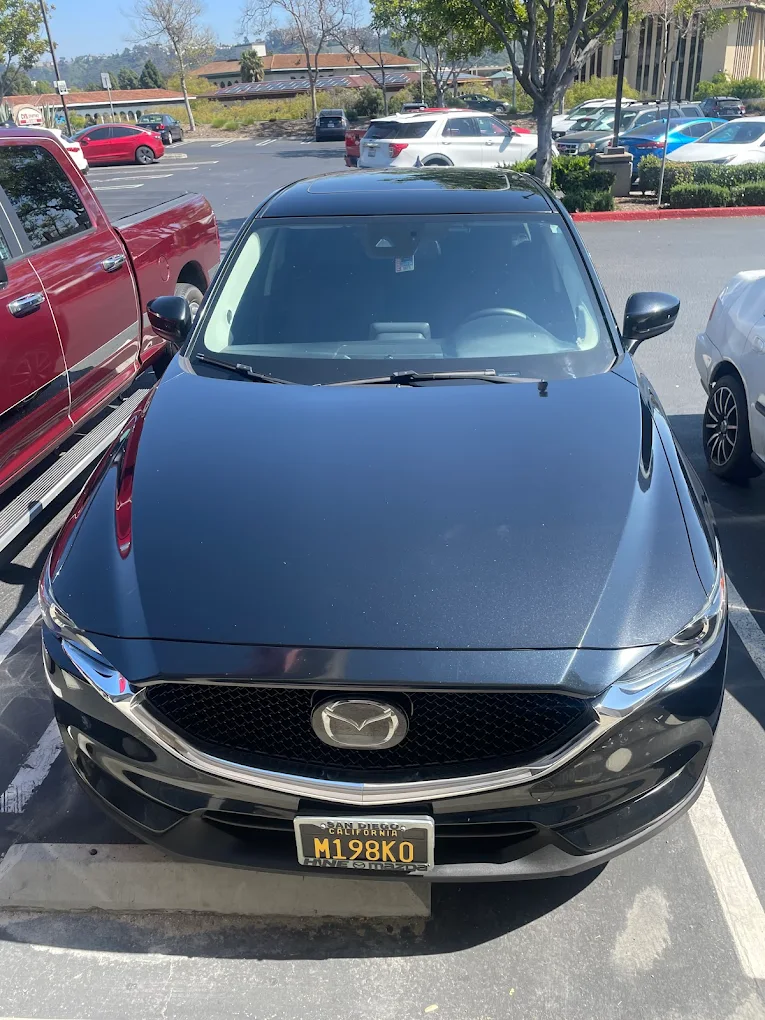
Can You Choose Your Own Body Shop?
In California, an insurance company cannot require that your vehicle be repaired at one specific repair shop. The California Department of Insurance also explains that if your car is damaged, an insurer may refer you to a body shop, or you may choose your own. (insurance.ca.gov)
Before choosing a shop, ask:
- Can I choose where my vehicle is repaired?
- What does my insurer need from the shop?
- Will the shop provide an estimate?
- How are supplements handled?
- How will I receive updates?
- What happens if the repair cost changes?
CollisionFix can review visible auto body damage and explain the repair direction.
Insurance-Recommended Shop vs. Your Own Body Shop
Your insurer may recommend a shop from its repair network.
That can be convenient, but you may still want to compare your options before approving repairs.
Ask these questions before choosing:
- Is the shop experienced with this type of damage?
- Will the shop explain the estimate clearly?
- How will hidden damage be handled?
- Who communicates with the insurer?
- How are supplements submitted?
- Will I receive updates during repair?
- Can I choose a different shop if I prefer?
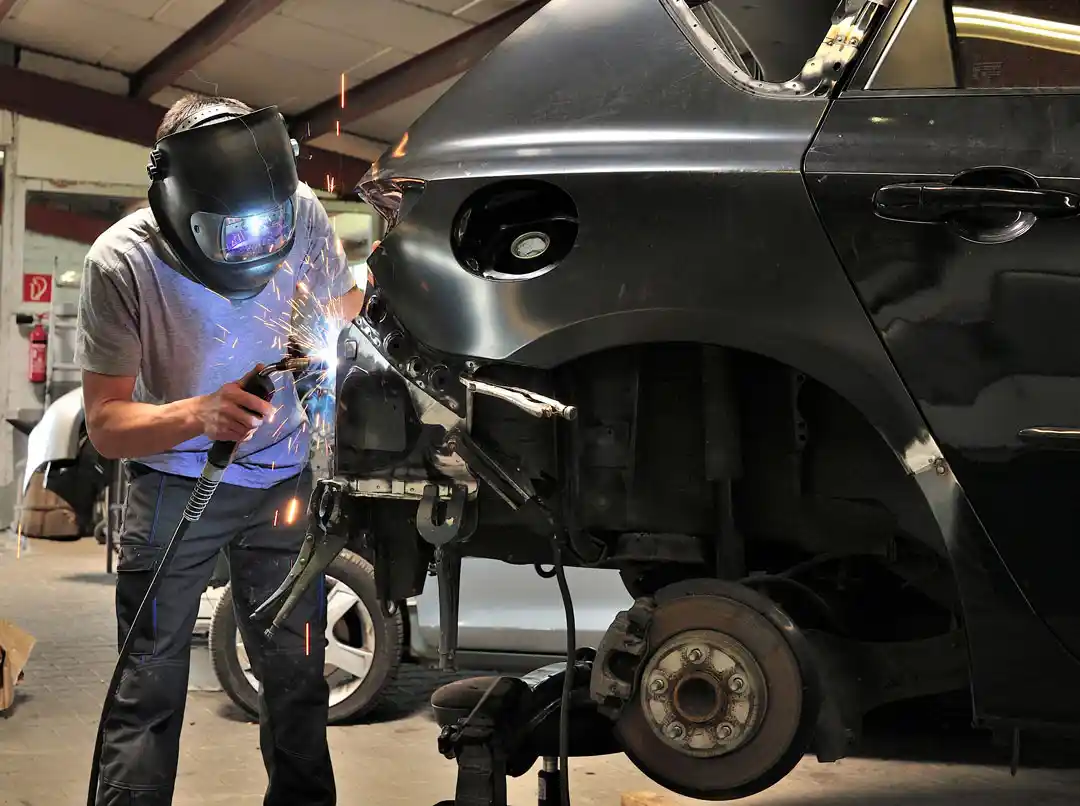
The repair shop should help you understand the damage, the estimate, and the repair steps before work begins.
What to Say When You Contact Insurance
When speaking with insurance, keep the conversation clear and factual.
You can share:
- when the damage happened
- where it happened
- what areas of the vehicle were damaged
- whether another driver was involved
- whether you have photos
- whether a police report exists
- whether you already have an estimate
Avoid guessing about repair cost before an estimate. Also avoid guessing about hidden damage before the vehicle is reviewed.
A clear estimate can help support the repair conversation.
Out-of-Pocket Repair vs. Insurance Claim
Here is a simple way to compare the two options.
| Decision Factor | Paying Out of Pocket | Using Insurance |
|---|---|---|
| Small repair below deductible | Often simpler | Usually less useful |
| Larger accident damage | May be expensive | May help if covered |
| Hidden damage possible | Riskier without review | Insurer may review supplements |
| Another driver involved | May not be ideal alone | Claim may be needed |
| Minor cosmetic damage | May make sense | May not be necessary |
| Repair cost much higher than deductible | May be costly | May be worth considering |
| You need formal claim documentation | Less formal | More structured |
The right choice depends on your estimate, deductible, coverage, and accident details.
Questions to Ask Before You Decide
Before choosing insurance or out-of-pocket payment, ask:
- What is the repair estimate?
- What is my deductible?
- Is the damage covered?
- Is another driver involved?
- Is the damage cosmetic or accident-related?
- Could hidden damage appear later?
- Are sensors, brackets, bumpers, or panels affected?
- Will paint or refinishing be needed?
- Could supplements be required?
- What does my insurer need before repair approval?
These questions help you make a calmer decision.
When Insurance May Not Cover the Repair
Insurance does not automatically cover every auto body repair.
Coverage may depend on:
- your policy
- the type of damage
- whether the event is covered
- your deductible
- claim details
- policy exclusions
- whether the damage is related to wear, neglect, or a covered incident
If you are unsure, contact your insurer and ask what applies to your policy.
CollisionFix can review the visible repair damage, but coverage decisions come from the insurer.
When to Schedule an Estimate Before Calling Insurance
You may want an estimate before making a claim decision when the damage looks minor or when you are unsure how serious it is.
An estimate can help you understand:
- if the repair cost is near your deductible
- whether the damage is only cosmetic
- whether the bumper, panel, or paint is affected
- whether hidden damage is possible
- whether the repair could involve supplements
- whether the damage needs collision repair or body repair
If the estimate is much higher than expected, you can then decide whether to contact insurance.
Helpful Insurance Resource
For official California consumer information, visit the California Department of Insurance Accident Guide.
This guide may help you understand accident reporting, insurance steps, repair shop choice, claim questions, and consumer rights after a vehicle accident.
Related CollisionFix Guides
If you want to learn more before making a repair decision, these guides can help:
- What to Do After a Car Accident in San Diego
- Auto Body Repair Process
- Collision Repair vs. Auto Body Repair
- What Is Included in a Collision Repair Estimate?
- Bumper Repair vs. Replacement
For all guides, visit the auto body repair resources page.
Schedule an Estimate for Auto Body Damage
You do not have to decide alone.
If your vehicle has bumper damage, dents, scratches, paint damage, panel damage, or accident-related body damage, CollisionFix can review the visible damage and explain the next repair step.
Once you have an estimate, you can compare repair cost, deductible, insurance options, and out-of-pocket payment more clearly.
Frequently Asked Questions
Use insurance when the damage is serious, accident-related, much higher than your deductible, or connected to another driver. Paying out of pocket may make sense for minor damage that costs less than or close to your deductible.
It depends on the repair estimate, deductible, coverage, and whether the damage may affect future claim costs. If the estimate is below or close to the deductible, paying directly may be simpler. If the damage is much higher, insurance may help.
Compare the repair estimate with your deductible. If the repair cost is below or close to the deductible, paying out of pocket may be simpler. If the damage is costly or accident-related, insurance may be worth considering.
A deductible is the amount you may need to pay before insurance helps with a covered repair. Your policy, coverage, and claim details determine how it applies.
An estimate can help you understand the likely repair cost before deciding. If the damage is minor, the estimate can help you compare out-of-pocket payment with your deductible.
Yes. In California, an insurer may refer you to a repair shop, but you may choose your own body shop.
You can consider the recommended shop, but you can also compare your options. Ask about estimates, supplements, communication, hidden damage, repair updates, and whether the shop can explain the repair plan clearly.
Stay factual. Avoid guessing about fault, repair cost, or hidden damage before the vehicle is reviewed. Share what happened, where the damage is, and whether you have photos or an estimate.
If hidden damage is found, the estimate may need a supplement. The insurer may review the added damage before approving the extra repair work.
Supplements are updates to the original estimate when more damage or repair needs are found after closer inspection or teardown.
It depends on the estimate and deductible. If the repair cost is below or close to your deductible, paying directly may make more sense.
Insurance may cover bumper damage if it came from a covered accident or claim event. Coverage depends on your policy, deductible, and claim details.
The insurer decides coverage based on your policy and claim details. The body shop can provide a repair estimate and damage documentation.