How Auto Paint Matching Works
A fresh paint repair should not look like a patch.
If your car has scratches, bumper damage, panel damage, or accident-related paint damage, the repaired area needs to match the rest of the vehicle as closely as possible.
That is where auto paint color matching matters.
The car paint matching process may include checking the paint code, scanning the current finish with a spectrophotometer, adjusting the formula, mixing paint by measurement, spraying a test card, using blending, applying clear coat, and reviewing the finish under different lighting.
This guide explains how auto paint matching works in simple terms, so you know what happens before a repaired area is painted.
What Is Auto Paint Matching?
Auto paint matching is the process of matching new paint to the color already on your vehicle.
The goal is to help the repaired area blend with the surrounding panels.
Paint matching may be needed after:
- scratches
- bumper repair
- dent repair
- collision repair
- scraped paint
- paint chips
- replacement parts
- accident-related paint damage
- a panel repaint
The process is more detailed than choosing a factory color and spraying it. The shop has to consider the original paint formula, the current finish, the repair area, and how the color looks in real light.
For paint-matching service details, visit our paint matching page.
Step 1: Find the Paint Code
The paint code is the starting point.
A paint code is assigned by the vehicle manufacturer. It helps identify the original factory color used on the car.
The paint code may be found in places such as:
- driver-side door jamb
- glove box
- under the hood
- trunk area
- manufacturer label
- vehicle information sticker
- VIN-related manufacturer sticker
The paint code helps the shop start in the correct color family.
But it is only the starting point. The original code may not match perfectly years later because vehicle paint can fade, age, or change over time.
Step 2: Check the Current Paint Condition
The paint on your vehicle may not look exactly the same as it did when the car was new.
Sun, weather, washing, road exposure, age, and previous repairs can all affect the finish.
This is why aging paint matters.
A vehicle’s current color may look slightly:
- lighter
- darker
- faded
- dull
- warmer
- cooler
- more metallic
- less glossy
A strong paint match should consider how the vehicle looks now, not only how it looked from the factory.
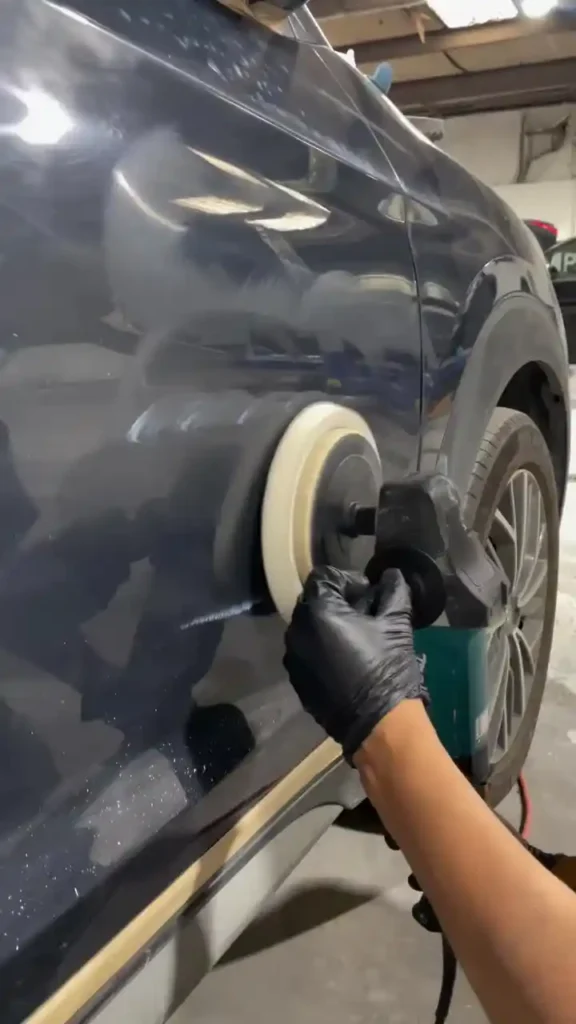
Step 3: Use a Spectrophotometer When Needed
A spectrophotometer is a digital tool that helps read the color on the vehicle.
It measures how light reflects from the paint surface. This helps compare the current finish with available paint formulas.
This can be helpful when:
- the vehicle has faded paint
- the paint code is hard to find
- the color has several variants
- the vehicle has metallic paint
- the vehicle has pearl paint
- the car has previous paint work
- the shop needs a better starting formula
The tool helps guide the color match, but it does not replace experience. Paint still needs review, adjustment, and testing before the final finish is applied.
Step 4: Use Computerized Paint Mixing
After the paint code or scan result is reviewed, the paint formula may be mixed using measured amounts of color components.
Computerized mixing can help control:
- base color
- tint strength
- metallic flakes
- pearl additives
- formula variations
- mixing accuracy
- color consistency
Even small differences in pigment or metallic flake can affect how the color looks.
That is why accurate mixing is important before the test spray is reviewed.
Step 5: Adjust the Paint Formula
After the first formula is selected, it may need adjustment.
This step can help account for:
- factory color variants
- sun fading
- previous repairs
- metallic flake direction
- pearl effect
- paint age
- panel location
- surrounding panel color
Two vehicles with the same paint code may not look exactly the same.
That is why the shop matches the vehicle in front of them, not only the color listed on the label.
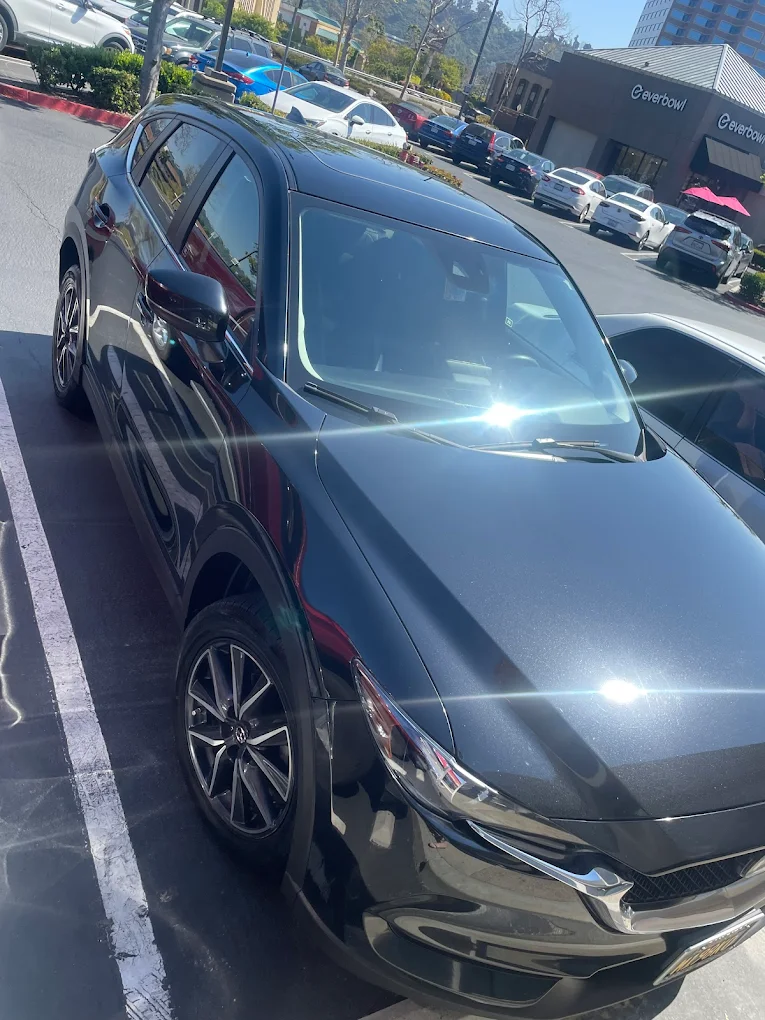
Step 6: Spray a Test Sample
A test sample helps check the color before paint is applied to the vehicle.
The shop may spray a sample card, often called a spray-out card, and compare it to the existing finish.
This helps review:
- color shade
- brightness
- metallic effect
- pearl effect
- color under light
- color at different angles
- finish beside nearby panels
If the sample does not look close enough, the formula may need more adjustment.
This step helps reduce the chance of a visible mismatch.
Step 7: Prepare the Repair Area
Paint matching also depends on surface preparation.
Before paint is applied, the repair area may need:
- cleaning
- sanding
- masking
- primer
- surface smoothing
- panel preparation
- dust control
- repair-area inspection
Even a strong color match can look wrong if the surface is not prepared correctly.
Good preparation helps the paint sit properly and gives the repaired area a cleaner finish.
Step 8: Blend the Paint Into Nearby Panels
Blending means the new paint is gradually faded into the surrounding area so the repair does not stop at a hard line.
This is often important because even a close color match can look slightly different if it is sprayed only on one small repair spot.
Blending may help when:
- the color has metallic flakes
- the paint is pearl or tri-coat
- the vehicle has faded paint
- the repaired panel sits next to older paint
- the damaged area is close to another panel
- the color changes under sunlight
Blending helps the repaired area look more natural beside the surrounding panels.
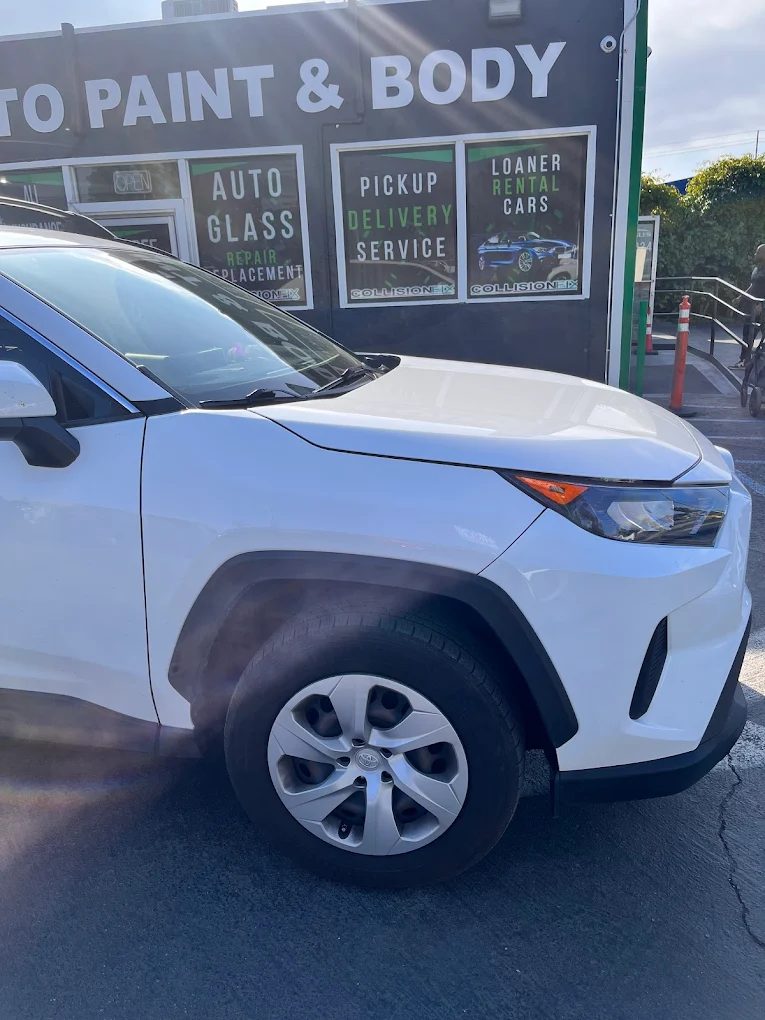
Step 9: Apply Clear Coat
The clear coat is the top layer that protects the color coat and gives the finish its shine.
A clear coat can affect how the final paint looks.
It helps with:
- gloss
- depth
- surface protection
- UV resistance
- final appearance
- smooth finish
If the clear coat does not match the surrounding finish, the color may look different even when the base color is close.
That is why both the color and clear coat matter.
Step 10: Review the Finish Under Different Lighting
Paint can look different under sunlight, shade, shop lights, and nighttime lighting.
After painting, the finish should be reviewed from different angles.
The shop may check:
- color match
- gloss
- texture
- blending
- clear coat finish
- panel edges
- dust or defects
- appearance beside nearby panels
This final review helps catch anything that may stand out before the vehicle is returned.
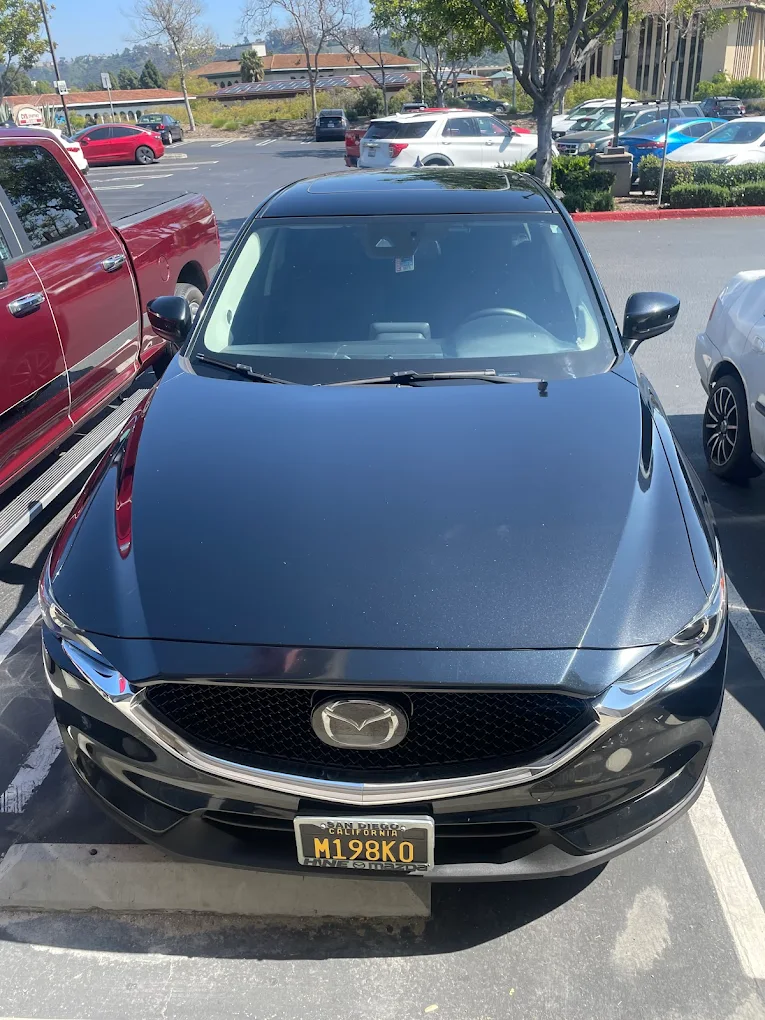
Why Paint Does Not Always Match From the Factory Code Alone
The factory color is important, but it does not tell the whole story.
A paint code may have several formula variants. The vehicle’s finish can also change over time.
Paint may look different because of:
- sun exposure
- age
- weather
- washing habits
- previous paint work
- factory production differences
- metallic or pearl effects
- panel angle
- clear coat condition
This is why how body shops match paint usually involves more than reading one code.
A strong match often needs paint code research, color scanning, test spraying, formula adjustment, blending, and finish review.
Panel Repaint vs. Spot Repair
A panel repaint means the whole panel may be refinished instead of only touching one small area.
This may be needed when:
- damage covers a larger area
- scratches are deep
- paint is cracked
- the panel was repaired
- the color needs blending
- damage reaches an edge or body line
- the finish needs a cleaner transition
A small touch-up may help with tiny chips, but deeper paint damage often needs more careful repair.
If the damage includes scratches, visit our scratch repair page.
For broader paint repair, visit our auto paint page.
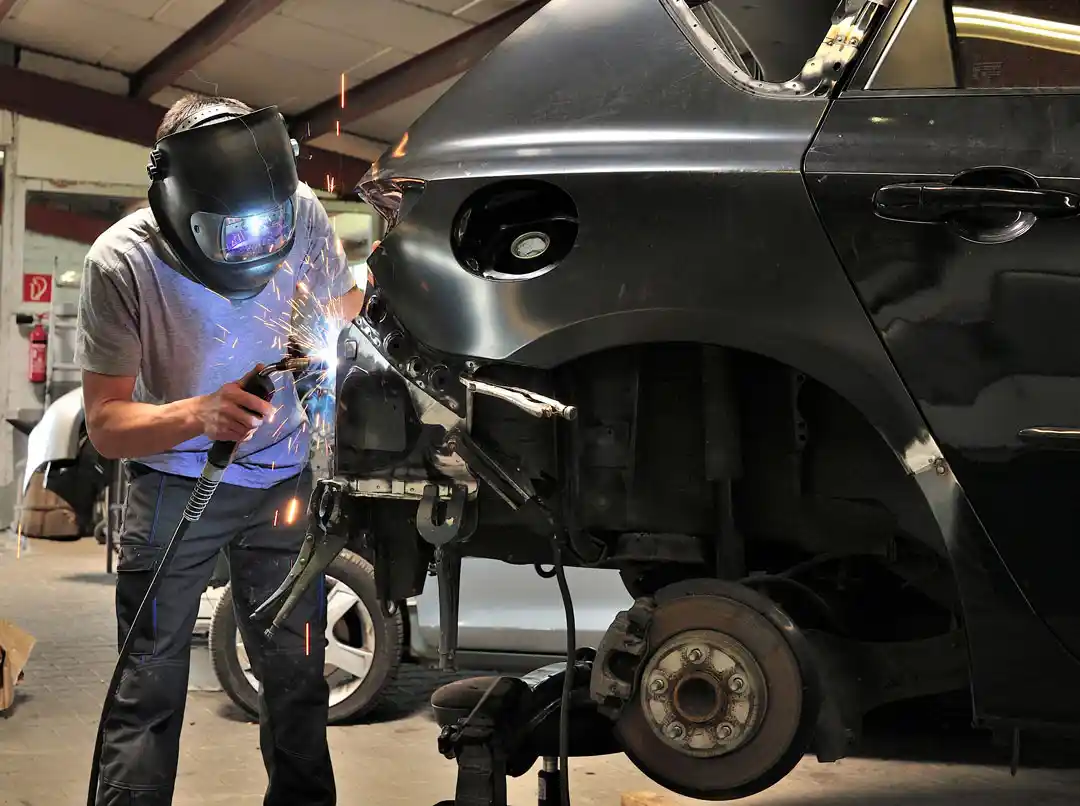
When Paint Matching May Be Needed
Paint matching may be needed when your vehicle has:
- bumper paint damage
- scratched paint
- chipped paint
- dent repair
- replacement panels
- accident damage
- scraped fenders
- repaired doors
- quarter panel damage
- hood or trunk damage
- old paint beside new paint
If the repair area needs to be repainted, matching the color is one of the most important parts of the final result.
What Can Make Paint Harder to Match?
Some colors and finishes are harder to match than others.
Paint matching may be more difficult when the vehicle has:
- metallic paint
- pearl paint
- tri-coat paint
- faded paint
- older clear coat
- previous repairs
- custom paint
- matte or specialty finish
- large panel damage
- paint damage across panel edges
These details do not always mean the paint cannot be matched. They mean the repair needs careful review before paint work begins.
Can AutoZone, Home Depot, or a Paint Store Match Car Paint?
Some stores may offer color-matching help for general paint or sell touch-up products.
Automotive paint repair is different because a vehicle finish may involve factory codes, metallic flakes, pearl effects, clear coat, blending, and panel refinishing.
A small touch-up product may help with a tiny chip, but it may not blend well on larger scratches, bumper damage, or repaired panels.
For visible vehicle paint damage, a repair estimate can help you understand whether the car needs touch-up, refinishing, blending, or a panel repaint.
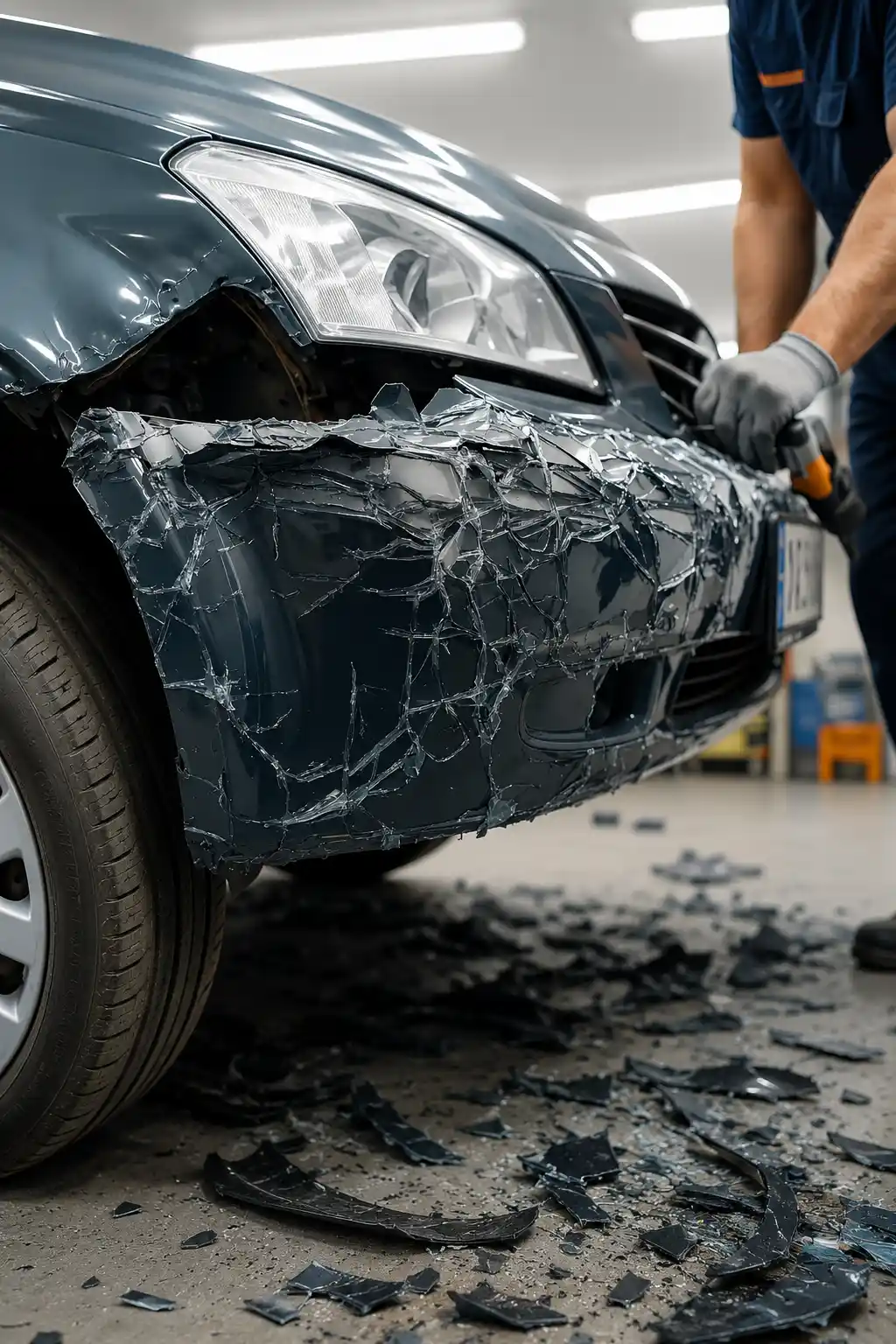
How an Estimate Helps With Paint Matching
An estimate helps the shop review the visible paint damage and explain the likely repair direction.
An estimate may help answer:
- Is the damage only in the clear coat?
- Is the color coat damaged?
- Does the bumper need paint work?
- Does the panel need repair before paint?
- Will blending be needed?
- Is a panel repaint likely?
- Is the paint damage related to an accident?
- Could insurance be involved?
You do not have to know the answer before contacting CollisionFix.
Related CollisionFix Guides
If you want to learn more before scheduling repairs, these guides can help:
- Auto Body Repair Process
- Bumper Repair vs. Replacement
- Collision Repair vs. Auto Body Repair
- What Is Included in a Collision Repair Estimate?
For all guides, visit the auto body repair resources page.
Schedule an Estimate for Paint Damage
You do not have to guess whether your vehicle needs touch-up, blending, panel repainting, or broader paint repair.
If your car has scratches, chipped paint, bumper paint damage, panel damage, or accident-related paint concerns, CollisionFix can review the visible damage and explain the next step.
Frequently Asked Questions
Car paint matching starts with the paint code, then may include a spectrophotometer scan, computerized paint mixing, formula adjustment, spray-out testing, blending, clear coat, and final finish review.
Body shops match paint by checking the paint code, reading the current finish, adjusting the color formula, spraying a test sample, and blending the new paint into nearby panels when needed.
A very close match is often possible, but exact results depend on paint type, age, fading, previous repairs, metallic or pearl effects, and how the repair area is blended.
A paint code is the manufacturer’s code for the vehicle’s original factory color. It helps identify the starting formula for matching the paint.
A spectrophotometer is a tool that reads how light reflects from the vehicle’s paint. It helps compare the current color to paint formulas and can improve color matching.
Paint can fade or change because of sun, age, weather, washing, previous repairs, and clear coat condition. That is why the current vehicle color may need to be matched, not just the factory code.
A spray-out card is a test sample painted before the vehicle is sprayed. It helps compare the mixed paint against the actual vehicle color under different lighting.
Blending helps the new paint transition into nearby panels so the repair does not look like a hard patch. It is especially useful for metallic, pearl, faded, or older paint.
Yes. A clear coat affects gloss, depth, and finish. Even when the color is close, the clear coat must look right beside the surrounding panels.
Some stores may sell touch-up paint or help identify a paint option, but larger paint damage usually needs professional review because matching a vehicle finish may require scanning, mixing, blending, and clear coat.
A touch-up may help small chips, but deeper scratches, larger damage, repaired dents, or panel-edge damage may need a panel repaint or blending for a cleaner result.
Schedule an estimate if your vehicle has scratches, chipped paint, bumper paint damage, panel damage, accident-related paint damage, or a previous repair that does not match well.