
Collision Repair vs. Auto Body Repairrocess
If your car has dents, scratches, bumper damage, paint damage, or accident damage, you may wonder which repair service you need.
The terms collision repair and auto body repair are often used together, but they do not always mean the same thing.
In simple terms, collision repair usually focuses on damage caused by a crash or impact. Auto body repair focuses on exterior vehicle damage, including dents, scratches, panels, bumpers, and paint.
Sometimes the same vehicle needs both.
This guide explains the difference between collision repair and auto body repair so you can choose the right next step.
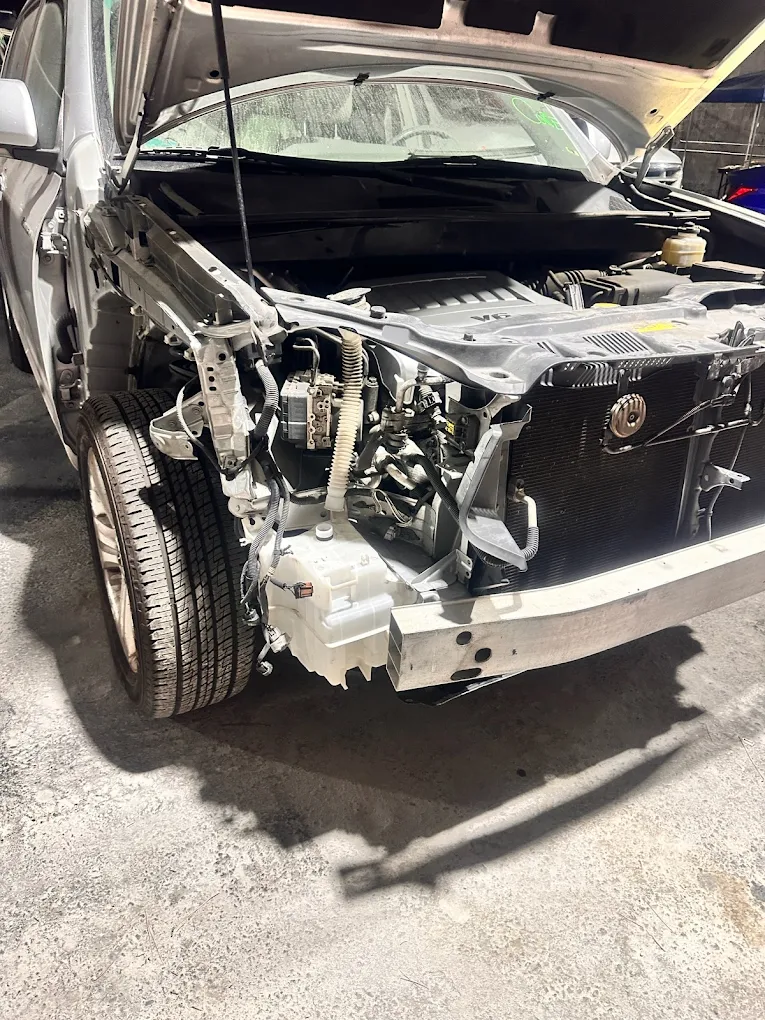
What Is Collision Repair?
Collision repair helps restore a vehicle after it has been damaged in a crash, impact, or accident.
This may include damage from:
- rear-end collisions
- side impacts
- fender benders
- parking lot accidents
- bumper impacts
- hit-and-run damage
- possible frame damage
- insurance-related accident claims
Collision repair may involve bumper repair, body work, paint repair, hidden damage checks, part replacement, and sometimes structural review.
If the vehicle was hit, pushed, bent, or damaged in a crash, collision repair is usually the better starting point.
For accident-related repair help, visit our auto collision repair page.
What Is Auto Body Repair?
Auto body repair focuses on the outside of the vehicle.
It can include accident-related damage, but it can also cover exterior repairs that are not caused by a major crash.
Auto body repair may involve:
- dents
- dings
- scratches
- scraped paint
- damaged doors
- damaged fenders
- bumper cover damage
- quarter panel damage
- hood or trunk damage
- paint and refinishing
An auto body repair job may be simple or more involved depending on where the damage is and how deep it goes.
For exterior damage help, visit our auto body repair page.
The Main Difference Between Collision Repair and Auto Body Repair
The main difference is the cause, depth, and repair need.
Collision repair usually starts after an accident. It may include hidden damage, structural concerns, insurance steps, part replacement, bumper repair, paint work, and repairs that affect how the vehicle fits together.
Auto body repair is broader. It covers exterior damage such as dents, scratches, bumpers, panels, and paint. Some auto body repairs are cosmetic. Others are part of a larger collision repair.
For example, a small door ding may only need auto body repair. A rear-end accident may need collision repair, bumper repair, paint work, and hidden damage inspection.
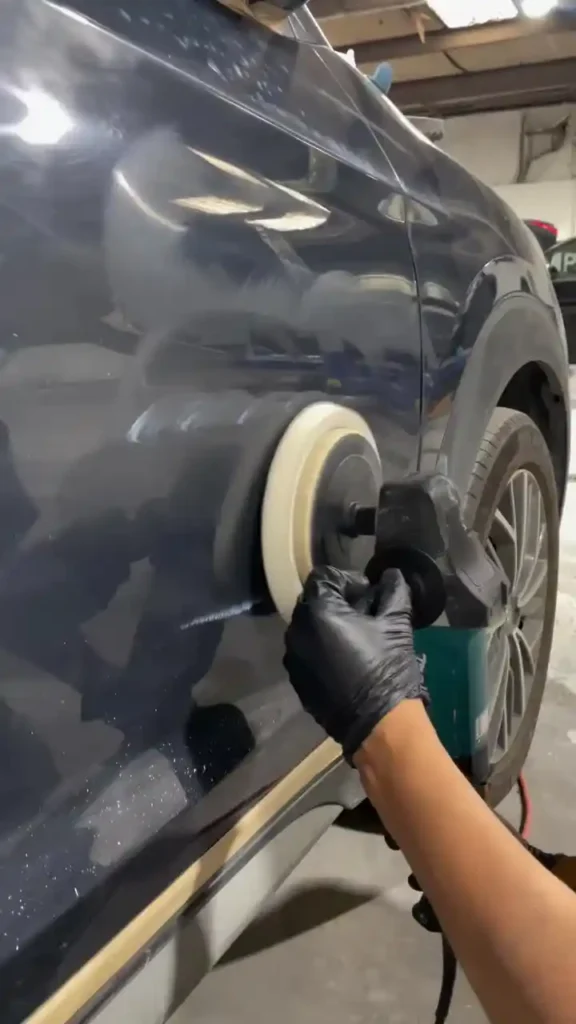
Body Shop vs. Collision Center
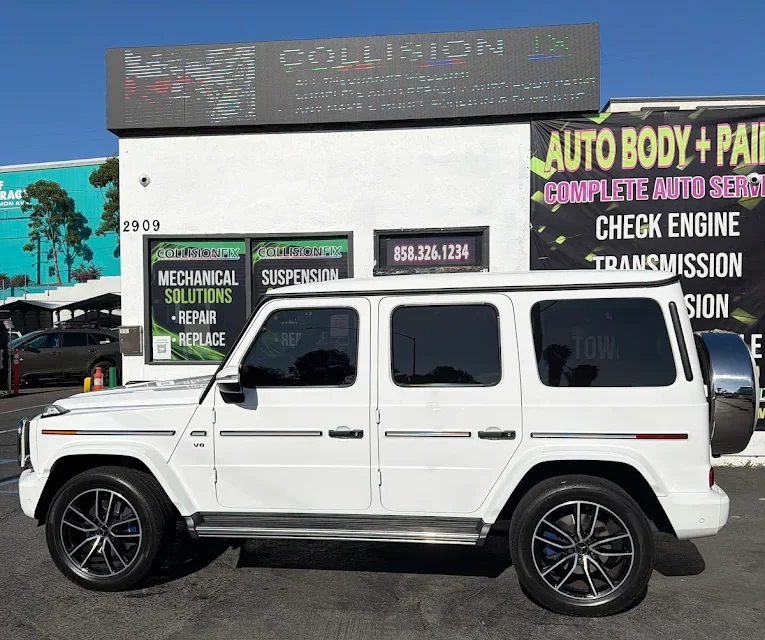
Many drivers also ask about body shop vs collision center.
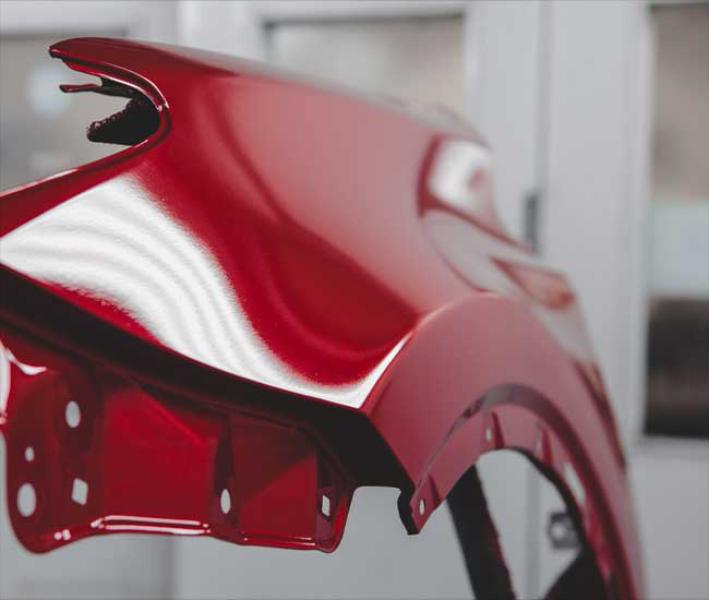
A body shop usually repairs exterior vehicle damage, such as dents, scratches, bumpers, panels, and paint.
A collision center often focuses more on accident-related repairs, larger repairs, hidden damage checks, insurance-related repair steps, and possible structural concerns.
The work can overlap. Many repair shops handle both body repair and collision repair because accident damage often includes dents, paint damage, bumper damage, and damaged panels.
If you are not sure which service you need, ask:
- Was the car involved in an accident?
- Is the bumper loose, cracked, or pushed in?
- Are the panels misaligned?
- Is there paint damage?
- Is insurance involved?
- Could there be hidden damage behind the visible area?
If you are unsure, start with an estimate.
When You May Need Collision Repair
You may need collision repair if the damage happened because of an accident or impact.
Common signs include:
- bumper damage after a crash
- damaged fenders or doors
- panels that do not line up
- broken lights
- loose bumper parts
- paint damage after impact
- airbag deployment
- steering or alignment concerns
- possible frame damage
- insurance claim involvement
Collision damage can include both visible and hidden damage.
A bumper may look scratched on the outside while brackets, mounting points, sensors, or panels behind it may also be damaged.
If the accident may have affected structure or alignment, visit our frame damage repair page.
When You May Need Auto Body Repair
You may need auto body repair when the damage affects the outside of the vehicle.
Common examples include:
- door dings
- small dents
- scratches
- chipped paint
- scraped bumper covers
- damaged panels
- minor parking damage
- paint transfer
- fender damage
- hood or trunk damage
Some of this damage may be mostly cosmetic. Still, it is worth getting a review if the paint is broken, the bumper is cracked, or a panel is bent.
A small scratch may look simple, but deeper paint damage can expose the surface below. A dent may also affect nearby panel fit.
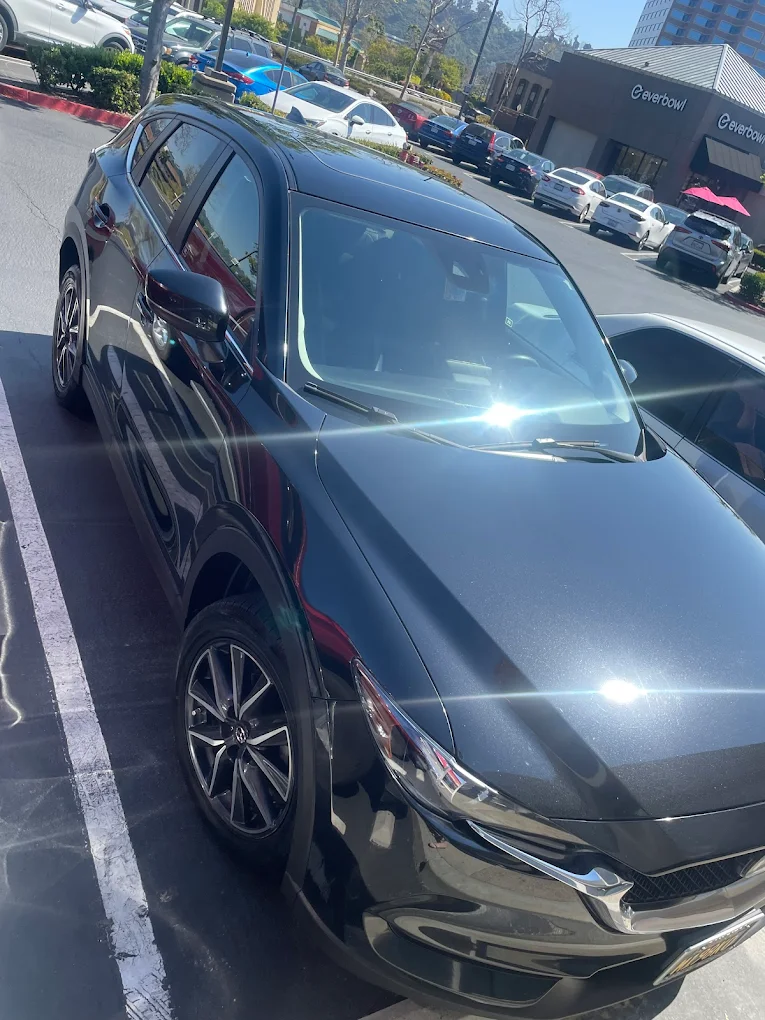
Cosmetic Damage vs. Accident Damage
Cosmetic damage usually affects how the vehicle looks.
This may include:
- light scratches
- small dents
- paint scuffs
- minor bumper scrapes
- surface paint transfer
Accident damage usually comes from an impact.
This may include:
- cracked bumpers
- damaged panels
- broken lights
- bent brackets
- deeper paint damage
- possible frame or structural concerns
- hidden damage behind the visible area
A small mark can still hide deeper damage, especially around bumpers, lights, sensors, and mounting points.
If you are unsure, schedule an estimate.
How Insurance Fits Into the Repair Type
Insurance is more common with collision repair because accidents often involve a claim.
Insurance may ask for:
- photos
- claim number
- accident details
- repair estimate
- damage notes
- supplement information if more damage appears
Auto body repair can also involve insurance, but smaller cosmetic repairs are sometimes paid directly by the vehicle owner.
If you are deciding whether to use insurance, visit our Should I Use Insurance for Auto Body Repair? guide.
For claim-related repair help, visit our insurance collision repair page.
What Collision Coverage Usually Means
Collision coverage is an auto insurance coverage that may help pay for damage to your vehicle after a crash, depending on your policy, deductible, and claim situation.
It may apply after:
- a collision with another vehicle
- a single-car accident
- a parking lot impact
- a hit with an object
- some covered accident-related damage
Coverage details can vary. Review your policy, deductible, and estimate before deciding whether to file a claim.
For repair guidance after a covered accident, visit our insurance collision repair page.
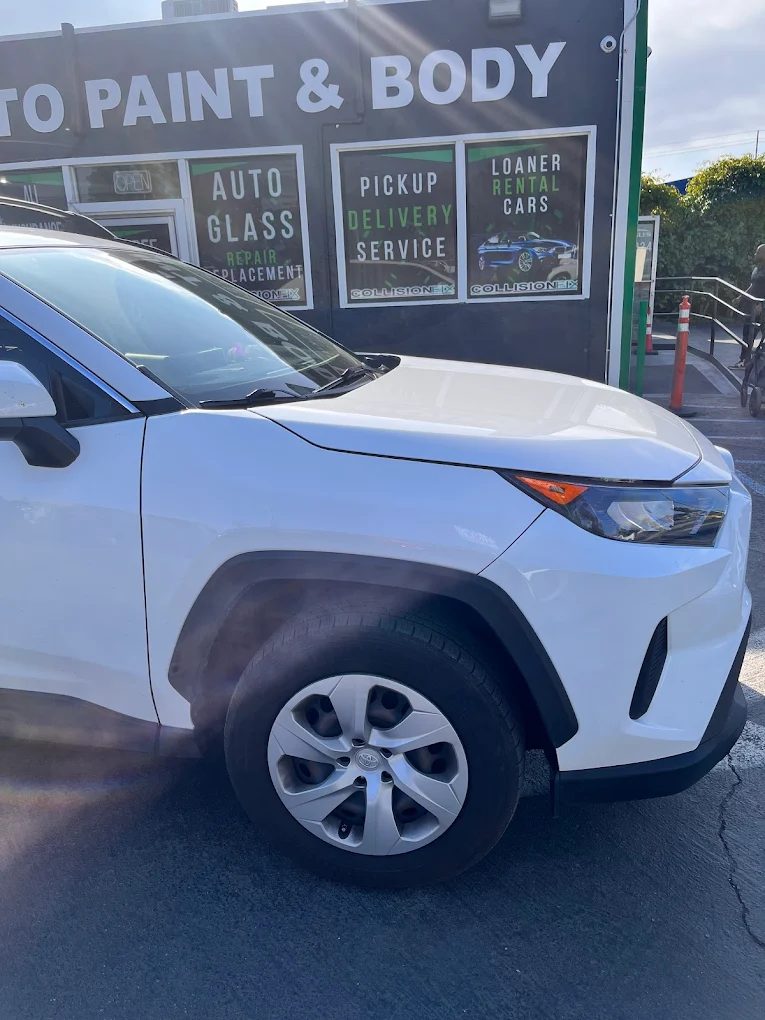
How Paint Fits Into Both Repairs
Paint work can be part of both collision repair and auto body repair.
You may need paint work after:
- scratches
- bumper damage
- panel repair
- dent repair
- accident damage
- paint transfer
- chipped paint
- replacement panels
Paint repair may include sanding, primer, color matching, blending, clear coat, and finish review.
Color matching matters because vehicle paint can change over time from sun, age, weather, and previous repairs.
For paint-specific help, visit our auto paint page or read How Auto Paint Matching Works.
What Kind of Repair Do You Need?
Use this simple guide:
| Your Situation | Best Starting Point |
|---|---|
| Your car was hit in an accident | Collision repair |
| You have dents, scratches, or paint scuffs | Auto body repair |
| Your bumper is cracked, loose, or pushed in | Bumper or collision review |
| Your panels do not line up | Collision or frame review |
| Insurance is involved | Insurance collision repair |
| You only have surface paint damage | Auto paint or body repair |
| You are not sure what is damaged | Schedule an estimate |
If you are unsure, start with a damage review.
The estimate can help explain whether the repair is cosmetic, collision-related, paint-related, bumper-related, or structural.
Why an Estimate Matters
An estimate gives you a clearer view of the damage.
It may explain:
- what damage is visible
- whether more inspection is needed
- which panels or bumpers are affected
- whether paint or refinishing is needed
- whether hidden damage may appear later
- whether insurance may need more information
A repair estimate is especially important after an accident because not all damage is visible from the outside.
Related CollisionFix Guides
If you want to learn more before scheduling repairs, these guides can help:
- What to Do After a Car Accident in San Diego
- Auto Body Repair Process
- Bumper Repair vs. Replacement
- What Is Included in a Collision Repair Estimate?
For all guides, visit the auto body repair resources page.
Schedule an Estimate for Vehicle Damage
You do not have to know the exact repair type before contacting CollisionFix.
If your vehicle has accident damage, dents, scratches, bumper damage, paint damage, panel damage, or possible frame concerns, CollisionFix can review the visible damage and explain the next step.
Frequently Asked Questions
Not always. Auto body repair focuses on exterior damage such as dents, scratches, panels, bumpers, and paint. Collision repair usually focuses on accident-related damage and may include hidden damage, frame concerns, insurance steps, and larger repairs.
The difference between collision repair and auto body repair is usually the cause and depth of the damage. Collision repair starts after an accident or impact. Auto body repair covers exterior damage, including cosmetic damage and some accident-related damage.
A body shop and collision center can offer similar services. A collision center often focuses more on accident-related repairs, while a body shop may handle dents, scratches, paint, bumpers, and exterior panels.
Auto body repair means repairing the outside of a vehicle. This may include dents, scratches, paint damage, bumpers, fenders, doors, panels, hoods, trunks, and accident-related exterior damage.
You may need collision repair if your vehicle was hit in an accident, has bumper impact damage, broken lights, misaligned panels, insurance claim involvement, possible frame damage, or hidden damage behind the visible area.
Yes. Cosmetic damage can still need repair if the paint is broken, the bumper is cracked, a panel is bent, or rust could develop over time.
It can be either. A light bumper scrape may be auto body repair. A cracked, loose, pushed-in, or impact-damaged bumper may need collision repair or a deeper inspection.
Yes. Collision repair often includes paint work when damaged panels, bumpers, or replacement parts need refinishing and color matching.
Some auto body repairs may involve checking frame-related concerns, but frame damage after an accident is usually part of collision repair or structural repair.
Collision coverage usually does not cover every vehicle issue. It generally does not cover routine maintenance, normal wear, mechanical breakdowns, or damage outside the policy terms. Review your policy or contact your insurance company for exact coverage details.
Insurance may make sense if the damage is accident-related and the repair cost is higher than your deductible. Review your estimate, coverage, deductible, and claim situation before deciding.
Use the auto collision repair page for accident damage. Use the auto body repair page for exterior dents, scratches, panels, and paint issues. If insurance is involved, use the insurance collision repair page. If you are unsure, schedule an estimate.