
Auto Body Repair Estimate in San Diego
Need help with bumper damage, dents, scratches, paint damage, or accident-related body damage?
CollisionFix makes it easier to request an auto body repair estimate San Diego drivers can use to understand visible damage, possible repair needs, insurance questions, and next steps.
You do not have to know the exact repair type before contacting us. Our team can review the vehicle, explain what we see, and help you understand the repair direction.
If your vehicle is safe to drive, bring it in for review. If it is not safe to drive, contact us first so we can help you understand the next step.
Start Your Estimate Request
Your estimate request starts with a few simple details.
Helpful information may include:
- your name and contact details
- vehicle year, make, and model
- where the damage is located
- what caused the damage, if known
- whether the vehicle is safe to drive
- whether insurance is involved
- claim number, if available
- photos of the damage, if available
- preferred appointment time
The more details you provide, the easier it is for our team to understand your situation before the vehicle review.
How to Get an Estimate From an Auto Body Shop
There are two common ways to start.
You can send photos first, or you can bring the vehicle in for an in-person inspection.
Photos can help start the conversation, especially when the damage is visible. An in-person review is often needed when the damage may be deeper, insurance is involved, or the first photo review does not show the full impact area.
A good estimate process should help answer:
- what damage is visible
- whether the bumper, panel, paint, or trim is affected
- whether parts may be needed
- whether hidden damage is possible
- whether insurance needs photos or documents
- what the next repair step may be
The goal is not to guess. The goal is to review the damage clearly.
Photo Estimate vs. In-Person Estimate
A photo estimate can be useful, but it may not show everything.
Photos may help with:
- visible scratches
- bumper scuffs
- small dents
- paint damage
- panel damage
- initial repair questions
- insurance discussion prep
An in-person estimate may be better when:
- the bumper is loose or cracked
- panels do not line up
- lights, sensors, or trim are affected
- the vehicle was in a collision
- hidden damage may be possible
- insurance is involved
- the vehicle has impact damage behind exterior parts
A photo review can be a starting point. A full repair direction may require seeing the vehicle in person.
Hours may change on holidays. Call before visiting if you are coming near a holiday or need same-day help.
What an Auto Body Estimate Can Help With
An estimate helps you move from guessing to a clearer repair direction.
CollisionFix can review visible damage such as:
- bumper damage
- dents and dings
- scratches
- paint damage
- scraped panels
- parking lot damage
- accident damage
- loose exterior parts
- damaged trim
- possible hidden damage after impact
A body shop estimate San Diego drivers request can also help answer basic repair-process questions before work begins.
When to Schedule an Auto Body Estimate
You should schedule auto body estimate help when your vehicle has visible damage and you want to understand what may be needed.
Common reasons to schedule include:
- another vehicle hit your car
- you backed into something
- your bumper is scratched, cracked, or loose
- your car has dents or door dings
- paint is scraped, chipped, or scratched
- a panel does not line up correctly
- damage happened in a parking lot
- insurance asked for an estimate
- you want to understand repair options
- you are not sure if hidden damage is possible
If the vehicle feels unsafe, do not keep driving. Contact CollisionFix before bringing it in.
What to Bring to Your Appointment
For your appointment, bring the vehicle if it is safe to drive.
Helpful items include:
- driver’s license
- vehicle registration
- insurance information, if applicable
- claim number, if available
- photos of the damage
- accident details, if relevant
- previous estimate, if you have one
- questions you want answered
If another driver or insurance company is involved, bring any claim information you already have.
How to Take Helpful Damage Photos
If you send photos before your visit, take clear pictures in good lighting.
Useful photos may include:
- full vehicle photo from the front
- full vehicle photo from the rear
- full vehicle photo from each side
- close-up photo of the damaged area
- angled photo showing depth or dent shape
- photo showing paint scratches
- photo showing bumper damage
- photo showing panel gaps or loose trim
- photo of the VIN or vehicle details, if requested
Avoid taking only one close-up photo. A wide photo helps show where the damage is on the vehicle.
Photos help start the conversation. An in-person review may still be needed because some damage can be hidden behind bumpers, panels, brackets, trim, lights, or sensors.
What Happens During the Estimate
During the estimate, our team reviews the visible damage and explains the likely next step.
The review may include:
- checking bumper damage
- reviewing dents and scratches
- looking at paint damage
- checking panel fit
- reviewing visible impact areas
- discussing possible hidden damage
- explaining whether paint work may be needed
- answering repair questions
- reviewing insurance details, if applicable
The goal is simple: help you understand what can be seen, what may need closer review, and what happens next.
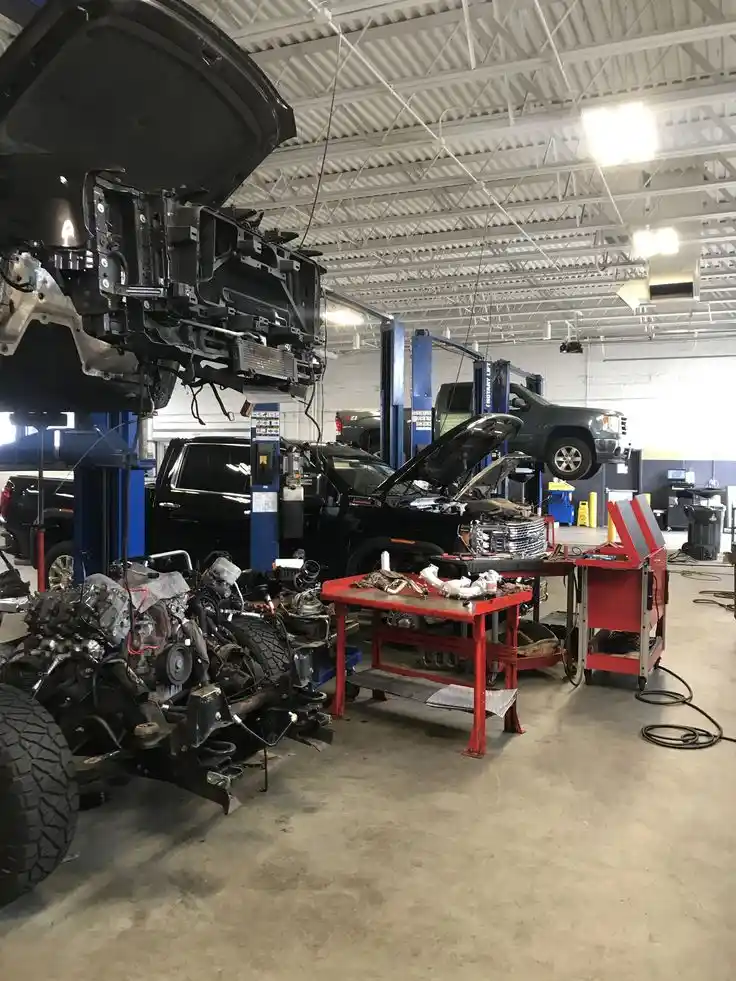
Collision Repair Estimate in San Diego
A collision repair estimate San Diego drivers request is often needed after accident-related damage.
Collision damage may include:
- bumper impact damage
- fender damage
- door damage
- quarter panel damage
- hood damage
- trunk or liftgate damage
- damaged trim
- paint damage
- possible frame or structural concerns
- hidden damage behind exterior parts
For accident-related repair details, visit our auto collision repair page.
Use this estimate page when you are ready to request a review.
Insurance Questions During the Estimate
If insurance is involved, bring your claim number and insurance details if you have them.
The estimate may help answer questions such as:
- What damage is visible?
- Does the vehicle need paint work?
- Could hidden damage be possible?
- Will insurance need photos?
- Will insurance need repair documents?
- What happens if more damage is found later?
- How does the repair estimate process work?
- Does the insurer need to approve the estimate?
- Can I choose my own repair shop?
CollisionFix can help with repair-process questions, but coverage decisions come from your insurance company.
For claim-related repair details, visit our insurance collision repair page.
Should You Ask About Direct Repair Programs?
Some insurance companies work with repair shops through Direct Repair Programs, often called DRP shops.
If you are using insurance, ask your insurer:
- Do I need an approved estimate?
- Can I choose my own repair shop?
- Do you work with direct repair shops?
- What photos or documents do you need?
- How are supplements handled?
- What happens if hidden damage is found?
You can also ask CollisionFix what information may be helpful for the repair process.
The most important part is that you understand the estimate, approval steps, and next repair direction before work begins.
Estimate vs. Final Repair Cost
An estimate is a starting point.
The final repair cost may change if hidden damage is found after closer inspection or teardown.
Hidden damage may be found behind:
- bumper covers
- brackets
- trim
- lights
- panels
- mounting points
- sensors
- internal support parts
If more damage is found, the estimate may need to be updated before additional work continues.
This is common in collision repair because the full damage is not always visible at first.
What Affects Auto Body Repair Cost?
Auto body repair cost depends on the damage and the repair plan.
Common cost factors include:
- size of the damaged area
- location of the damage
- paint damage
- dent depth
- bumper condition
- panel alignment
- part availability
- vehicle make and model
- labor time
- paint and refinishing needs
- hidden damage
- insurance approval, if involved
Minor cosmetic damage usually has a different repair path than major collision damage.
The estimate helps explain what applies to your vehicle.
What Your Estimate May Include
A repair estimate may include several types of information.
It may include:
- visible damage notes
- labor
- parts
- paint or refinishing needs
- photos
- possible hidden damage notes
- insurance details, if involved
- repair direction
- customer approval steps
- appointment or scheduling notes
For a deeper explanation, read What Is Included in a Collision Repair Estimate?.
Repair Consultation Before Work Begins
A repair consultation helps you understand the next step before approving work.
This may include explaining:
- what damage is visible
- what repair may be needed
- whether paint matching may be involved
- whether bumper repair may be possible
- whether a panel may need repair
- whether insurance may need to review the estimate
- whether hidden damage could appear later
You should feel clear about the repair path before moving forward.
Booking Your Estimate
The booking process should be simple.
To request your estimate, use the form on this page or contact CollisionFix directly.
Before booking, it helps to know:
- your vehicle year, make, and model
- the damaged area
- when the damage happened
- whether the vehicle is safe to drive
- whether insurance is involved
- your best contact information
- your preferred appointment time
If you are unsure what to enter, provide the details you know. Our team can help from there.
Contact Details for Estimate Help
Need help before scheduling?
Use these contact details:
CollisionFix
2909 Damon Ave
San Diego, CA 92109
Phone: (858) 326-2639
Email: info@collisionfixsd.com
You can also visit the Contact CollisionFix page for hours, directions, map details, and arrival information.
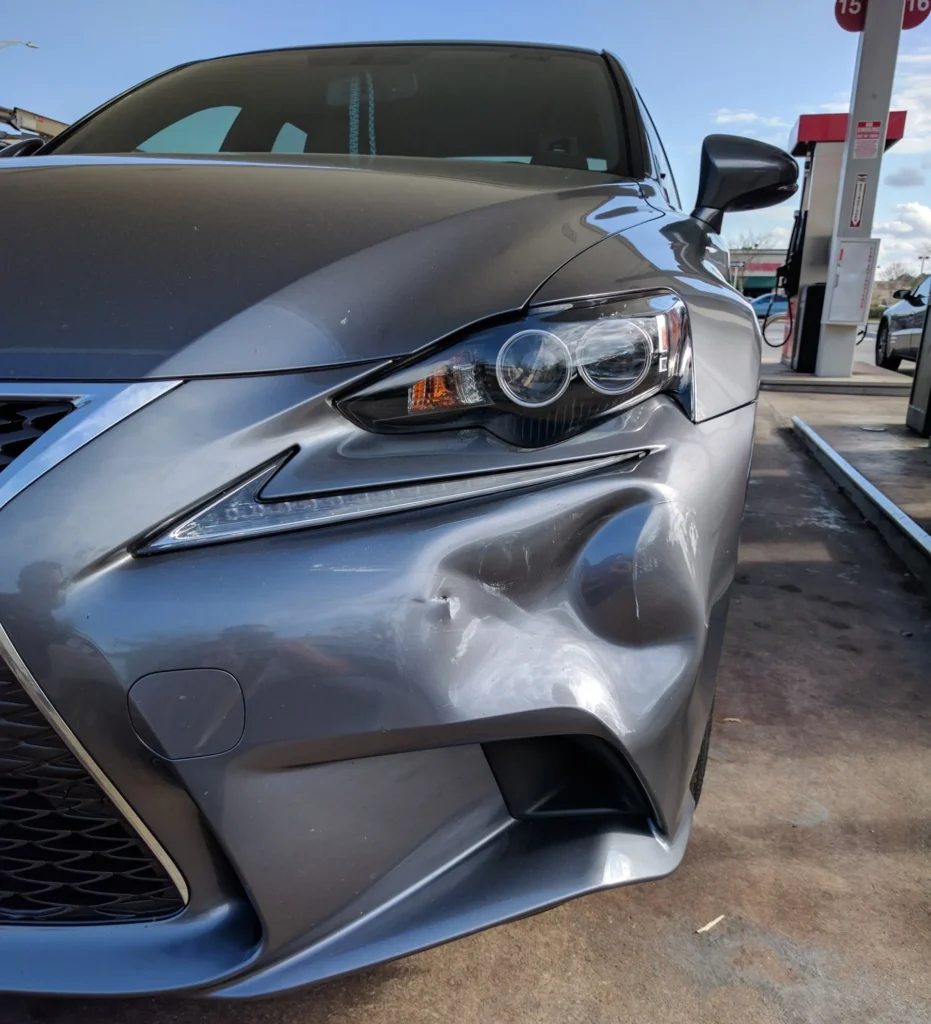
Before-and-After Proof Before You Schedule
Before scheduling an estimate, you may want to see repair examples.
Before-and-after photos can help you review:
- bumper repair results
- dent repair examples
- scratch repair results
- paint finish
- color matching
- collision repair outcomes
- completed work
You can view the before-and-after page or the photo gallery before requesting an estimate.
Questions to Ask During Your Estimate
Helpful questions include:
- What damage is visible?
- Could there be hidden damage?
- Does the bumper need repair or replacement?
- Does the paint need refinishing?
- Will paint matching be needed?
- Is insurance likely to need photos or documents?
- What happens if the estimate changes?
- What should I expect after approval?
- When can repairs be scheduled?
- What should I bring next time?
Clear questions help you feel more confident before making a repair decision.
Not Sure Whether You Need an Estimate?
If you are unsure, start with an estimate.
An estimate is useful when:
- damage looks minor but you want confirmation
- the bumper is scratched or loose
- paint is chipped or scraped
- a dent affects the look of the vehicle
- another driver or insurance company is involved
- you are deciding between insurance and out-of-pocket repair
- you want to understand repair options before approving work
The estimate helps you get a clearer next step.
Related CollisionFix Pages
If you want to learn more before scheduling, these pages can help:
Schedule Your Auto Body Repair Estimate
If your vehicle has bumper damage, dents, scratches, paint damage, panel damage, or collision-related damage, CollisionFix can review the vehicle and explain the next step.
Use the estimate form on this page to send details, ask questions, and request your visit.
Frequently Asked Questions
Use the estimate form on this page or contact CollisionFix directly. Share your contact details, vehicle information, damage description, photos if available, and preferred appointment time.
Photos can help start the estimate conversation, especially for visible damage. An in-person review may still be needed because damage can be hidden behind bumpers, panels, lights, trim, brackets, or sensors.
An in-person estimate is often better when the vehicle has collision damage, loose parts, panel gaps, cracked bumpers, sensor concerns, insurance involvement, or possible hidden damage.
Bring your vehicle if it is safe to drive, your contact information, vehicle registration, insurance details if applicable, claim number if available, photos, and any questions about the damage.
A collision repair estimate may include visible damage notes, labor, parts, paint or refinishing needs, photos, possible hidden damage notes, insurance details, and repair direction.
Auto body repair cost depends on the damage, vehicle, parts, paint work, labor, hidden damage, and insurance involvement. Minor cosmetic damage and major collision damage can have very different repair paths.
Not always. The first estimate is based on visible damage. The cost may change if hidden damage is found after closer inspection or teardown.
Yes. CollisionFix can help answer repair-process questions related to estimates, visible damage, photos, documents, supplements, and next steps. Insurance coverage decisions come from your insurer.
Scheduling an appointment is recommended so the team can review your vehicle and answer your questions more efficiently.
If the vehicle is not safe to drive, do not continue driving it. Contact CollisionFix first so our team can help you understand the next step.
CollisionFix can review bumper damage, dents, scratches, paint damage, panel damage, parking lot damage, accident damage, and possible hidden damage after impact.
In many cases, the estimate helps determine the next scheduling step. Timing depends on the repair plan, parts, approval, insurance involvement, and shop availability.