
Transmission Service vs. Transmission Repair
Your transmission helps move power from the engine to the wheels.
When it works correctly, your vehicle shifts smoothly, responds when you accelerate, and drives without slipping, jerking, or hesitation.
When something feels wrong, many drivers ask: Do I need transmission service vs transmission repair?
In simple terms, transmission service is routine maintenance. Transmission repair is needed when the transmission has symptoms, damage, leaks, or a problem that needs diagnostics.
This guide explains the difference so you can choose the right next step.
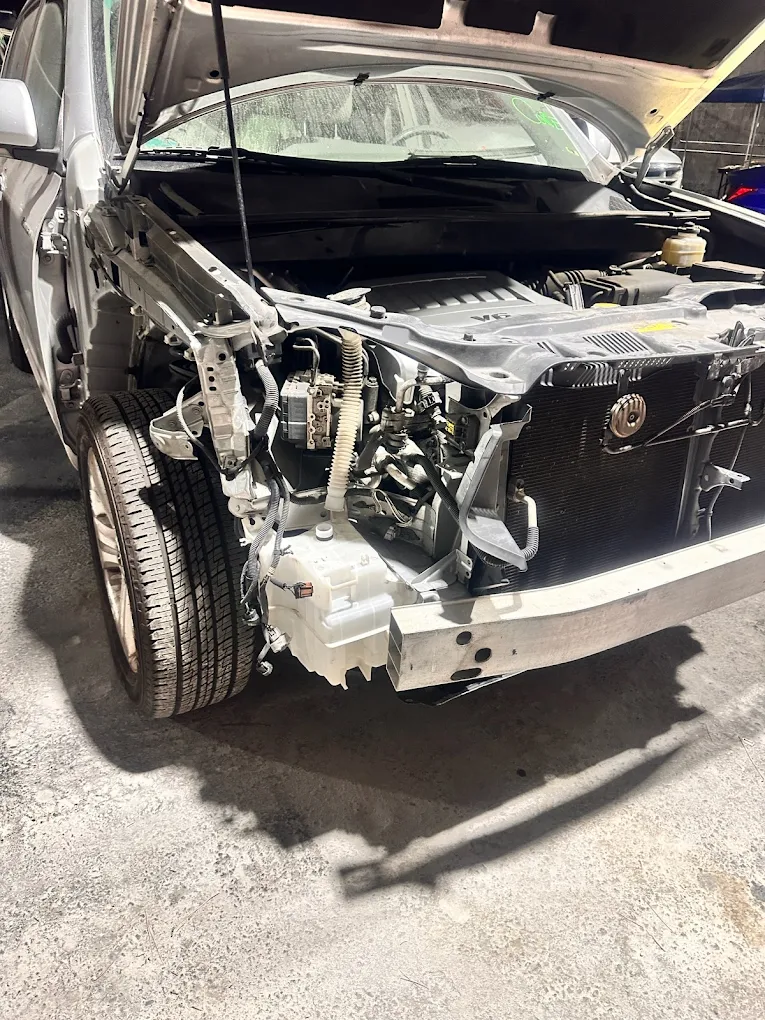
What Transmission Service Means
Transmission service meaning is simple: it is planned care that helps the transmission keep working properly.
Transmission service may include checking fluid level, checking fluid condition, inspecting for leaks, and replacing transmission fluid when needed.
It is usually done before major symptoms appear.
Transmission service may help with:
- smoother shifting
- cleaner transmission fluid
- better lubrication
- heat control
- early problem detection
- longer transmission life
- fewer surprise issues
Transmission service is maintenance. It is not the same as repairing a failed transmission.
For service help, visit our transmission service page.
What Transmission Repair Means
Transmission repair means the vehicle already has a problem that needs inspection, diagnosis, and correction.
Repair review may be needed when you notice:
- slipping gears
- delayed shifting
- hard shifting
- jerking between gears
- grinding sounds
- whining sounds
- transmission warning light
- leaking transmission fluid
- burning smell
- weak acceleration
- vehicle does not move normally after shifting into drive or reverse
Transmission symptoms can get worse when ignored.
If your vehicle is already showing symptoms, start with diagnostics instead of guessing.
For mechanical help, visit our auto mechanic services page.
Transmission Service vs. Transmission Repair: The Main Difference
The main difference is timing.
Transmission service is preventive. It helps maintain the transmission before serious symptoms appear.
Transmission repair is corrective. It addresses a problem after symptoms, damage, or poor performance has already started.
| Situation | Best Starting Point |
|---|---|
| Vehicle shifts normally but is due for maintenance | Transmission service |
| Fluid is old or dirty, but no major symptoms are present | Fluid service |
| Shifting feels delayed, hard, or rough | Diagnostics |
| Transmission slips out of gear | Repair review |
| Fluid is leaking | Diagnostics and repair review |
| Burning smell is present | Stop driving if unsafe and schedule service |
| Warning light is on | Diagnostics |
| You are unsure | Start with an inspection |
If the vehicle feels unsafe, do not keep driving.
Transmission Maintenance vs. Repair
Transmission maintenance vs repair means prevention vs correction.
Maintenance helps prevent problems.
Repair addresses problems that already exist.
Maintenance may include:
- checking fluid level
- checking fluid condition
- replacing transmission fluid when due
- checking for leaks
- inspecting related parts
- following the recommended service interval
Repair may involve diagnosing symptoms such as:
- slipping
- leaks
- hard shifting
- delayed shifting
- warning lights
- internal wear symptoms
- sensor or control concerns
- pressure-related shifting issues
A service appointment may uncover a repair need, but service and repair are not the same thing.
Transmission Fluid Service vs. Repair
Transmission fluid service vs repair is one of the most common points of confusion.
A fluid service focuses on the transmission fluid.
It may include:
- checking fluid level
- checking fluid color
- checking for a burnt smell
- replacing old fluid
- replacing a filter, when applicable
- checking the pan or drain area, when applicable
- looking for leaks
Transmission fluid helps cool, lubricate, and support shifting.
If the fluid is old, low, dirty, or burnt, the transmission may not work as smoothly.
A fluid service may help when the issue is maintenance-related. If the vehicle slips, leaks heavily, grinds, or shifts poorly, diagnostics should come first.
What a Full Transmission Service May Include
A full transmission service can vary by vehicle, but it often focuses on fluid condition and related inspection.
It may include:
- checking transmission fluid level
- checking fluid color and smell
- replacing transmission fluid when needed
- replacing the transmission filter, when applicable
- inspecting the pan or drain area, when applicable
- checking for leaks
- checking related seals or gaskets
- reviewing shift quality
- looking for warning lights or codes
- confirming the correct service interval
Not every vehicle uses the same transmission design. Some transmissions have filters that are easier to service. Others require a different process.
Your owner’s manual and a vehicle inspection can help confirm the right service path.
Transmission Fluid Change vs. Flush
Drivers often ask whether they need a transmission fluid change, fluid exchange, or flush.
A fluid change usually drains and replaces part of the old fluid.
A flush or exchange may replace more fluid using equipment.
The right option depends on:
- vehicle make and model
- transmission type
- fluid condition
- mileage
- maintenance history
- manufacturer guidance
- current symptoms
Not every vehicle or transmission condition is right for every method.
If the fluid is very old, burnt, or the transmission already has symptoms, ask for an inspection before choosing a service type.
What Transmission Fluid Can Tell You
Transmission fluid can give important clues.
Healthy automatic transmission fluid is often red or pink and should not smell burnt.
Warning signs may include:
- dark fluid
- burnt smell
- gritty fluid
- low fluid level
- fluid leaks under the vehicle
- foamy or contaminated fluid
Low or dirty fluid can affect shifting.
Burnt or gritty fluid may point to heat, wear, or internal problems.
If the fluid looks or smells wrong, schedule a check before the issue gets worse.
Transmission Service Intervals
A service interval is the recommended time or mileage point for maintenance.
Transmission service intervals can vary by vehicle, transmission type, driving conditions, and manufacturer recommendations.
Your owner’s manual is the best place to confirm the right interval.
Service may be needed sooner if you often drive in:
- stop-and-go traffic
- hot weather
- hills
- heavy loads
- frequent short trips
- high-mileage conditions
- towing conditions, if your vehicle is used for towing
If you do not know when the fluid was last serviced, schedule a review.
Signs You May Need Transmission Service
You may need transmission service if the vehicle is due for routine maintenance and no major symptoms are present.
Common signs include:
- service interval is due
- fluid looks old
- fluid level needs checking
- shifting feels slightly less smooth
- maintenance history is unknown
- vehicle has high mileage
- transmission fluid has not been checked in a long time
Service is most useful before the transmission has serious symptoms.
If the vehicle already slips, jerks, leaks heavily, or shows warning lights, diagnostics may be needed first.
Signs You May Need Transmission Repair
You may need a repair review if the transmission already shows symptoms.
Warning signs include:
- slipping gears
- delayed engagement
- hard shifts
- jerking between gears
- grinding sounds
- whining sounds
- burning smell
- leaking fluid
- transmission warning light
- vehicle will not move normally
- poor acceleration
- shaking during shifts
These symptoms should not be ignored.
If the vehicle feels unsafe, stop driving when safe and schedule service.
Slipping Gears
Slipping gears means the transmission may not stay properly engaged.
You may notice:
- engine revs but speed does not increase normally
- vehicle feels like it loses power during acceleration
- gears change unexpectedly
- delayed response after pressing the gas
- rough or uneven shifting
Slipping can be caused by several issues, including low fluid, worn parts, pressure problems, or other transmission concerns.
A mechanic needs to inspect the vehicle before the cause can be confirmed.

Delayed or Hard Shifting
Delayed shifting happens when the vehicle takes longer than normal to change gears.
Hard shifting feels like a jolt, clunk, or strong bump during gear changes.
These symptoms may happen when:
- fluid is low
- fluid is old or dirty
- the transmission is overheating
- a sensor is not reading correctly
- pressure is not correct
- internal wear is present
A small shift of concern can become worse over time.
Schedule diagnostics before the issue becomes harder to fix.
Transmission Leaks
Transmission leaks can become serious quickly.
Transmission fluid is needed for cooling, lubrication, and shifting.
A leak may appear as red, reddish-brown, or dark fluid under the vehicle.
Possible leak areas may include:
- transmission pan
- cooler lines
- seals
- gaskets
- drain plug area
- related fittings
Do not ignore a transmission leak.
Low fluid can lead to poor shifting, overheating, slipping, and more damage.
Burning Smell or Overheating
A burning smell can point to overheated transmission fluid or another vehicle concern.
Watch for:
- burning smell after driving
- dark or burnt-smelling fluid
- warning lights
- slipping
- harsh shifting
- reduced performance
Heat is one of the biggest enemies of a transmission.
If you smell burning or the vehicle shifts poorly, schedule service before driving more than necessary.
What Is the Number One Killer of Transmissions?
Heat is one of the biggest causes of transmission wear.
Transmission fluid helps manage heat, lubrication, and shifting. When fluid gets low, old, contaminated, or overheated, the transmission can work harder than it should.
Common heat-related risk factors include:
- low fluid
- old fluid
- towing
- heavy loads
- stop-and-go traffic
- hot weather
- slipping
- poor cooling
- ignored leaks
Routine service and early inspection can help reduce heat-related damage.
Can a Bad Transmission Cause Misfire Symptoms?
A misfire usually starts with engine-related issues, such as ignition, fuel, air, or sensor problems.
A bad transmission does not usually cause a true engine misfire by itself.
However, transmission problems can sometimes feel like misfire symptoms because the vehicle may jerk, hesitate, shake, or lose power during shifting.
That is why diagnostics matter.
A mechanic can help separate engine misfire symptoms from transmission shift concerns.
Diagnostics Before Repair
Diagnostics help identify the cause of transmission symptoms.
Diagnostics may include:
- checking fluid level
- checking fluid condition
- scanning for trouble codes
- inspecting for leaks
- test driving the vehicle
- checking shift behavior
- reviewing warning lights
- checking related sensors or controls
A scan code alone does not always tell the full story.
The vehicle still needs inspection so the cause can be confirmed.
Transmission Service, Repair, and Replacement
Drivers often hear the words service, repair, and replacement together.
They are not the same.
Transmission service is routine maintenance.
Transmission repair addresses a problem after diagnosis.
Transmission replacement means replacing the transmission assembly.
If replacement is ever discussed during a repair review, ask for a clear explanation of the diagnosis, estimate, and available options before approving work.
Can Transmission Service Fix a Problem?
Sometimes service can help if the problem is related to old or low fluid.
But service is not a guaranteed fix for every transmission symptom.
A fluid service may help when:
- maintenance is overdue
- fluid is old but not severely burnt
- shifting is slightly rough
- there are no major warning signs
- no serious slipping is present
Diagnostics may be better when:
- gears slip
- the vehicle jerks badly
- fluid smells burnt
- the transmission leaks heavily
- a warning light is on
- the vehicle does not move normally
If symptoms are already present, ask for an inspection before approving service.
Transmission Service and Cost Factors
Transmission service and repair costs can vary widely.
Common cost factors include:
- vehicle make and model
- transmission type
- fluid type
- filter access
- leak location
- diagnostic time
- parts needed
- labor time
- current symptoms
- whether the vehicle needs service or repair
Routine service usually costs less than repair because service focuses on maintenance.
Repair can cost more because the shop must find and correct an existing problem.
The best first step is an inspection or estimate based on the actual vehicle symptoms.
When Not to Keep Driving
Stop driving when safe and get help if you notice:
- transmission warning light with poor shifting
- vehicle will not move normally
- strong burning smell
- heavy fluid leak
- severe slipping
- loud grinding or clunking
- sudden loss of power
- overheating
- unsafe driving behavior
Driving with serious transmission symptoms can make damage worse.
If the vehicle feels unsafe, do not continue driving.
Questions to Ask Before Approving Transmission Work
Before approving service or repair, ask:
- Is this maintenance or repair?
- What symptoms were found?
- What does the fluid look and smell like?
- Is there a leak?
- Are there trouble codes?
- Is a test drive needed?
- Is the vehicle safe to drive?
- What service interval applies to my vehicle?
- Could more diagnosis be needed?
- What happens if symptoms continue after service?
Clear answers help you understand the next step.
Related CollisionFix Guides
If you want to learn more about vehicle care, these guides can help:
- Signs Your Car Needs a Mechanic
- What Is Preventative Maintenance?
- How Often Should You Change Your Oil?
- Auto Body Repair Process
For mechanical service help, visit our auto mechanic services page.
Schedule Auto Mechanic Service
You do not have to guess whether your vehicle needs service or repair.
If your transmission is due for maintenance, shifting poorly, leaking fluid, slipping, overheating, or showing warning lights, CollisionFix can help you understand the next step.
Frequently Asked Questions
Transmission service is routine maintenance, such as checking or replacing fluid. Transmission repair is needed when the transmission has symptoms, damage, leaks, slipping, poor shifting, or warning lights.
A full transmission service may include checking fluid level, checking fluid condition, replacing fluid, replacing a filter when applicable, inspecting for leaks, reviewing shift quality, and checking for warning lights or codes.
Transmission service usually refers to maintenance that helps keep the transmission working properly. It may include checking fluid level, replacing fluid, inspecting for leaks, and checking related parts.
Transmission maintenance vs repair means prevention vs correction. Maintenance helps prevent problems. Repair addresses problems that already exist.
Transmission fluid service vs repair means fluid maintenance compared with fixing an existing transmission problem. Fluid service may help maintain smooth operation, while repair is needed for symptoms such as slipping, leaks, or hard shifting.
Signs may include slipping gears, delayed shifting, hard shifting, leaking fluid, burning smell, grinding sounds, transmission warning lights, poor acceleration, or the vehicle not moving normally.
Sometimes service may help if slipping is related to low or old fluid. Slipping can also point to internal wear, pressure problems, or other issues. A mechanic should inspect the vehicle before deciding.
The right interval depends on the vehicle, transmission type, mileage, driving conditions, and manufacturer recommendations. Check your owner’s manual or schedule a maintenance review.
Not always. A flush is one type of fluid service that replaces more fluid using equipment. Transmission service may include fluid replacement, filter service, leak inspection, and fluid condition checks.
Heat is one of the biggest causes of transmission failure. Low fluid, old fluid, heavy loads, towing, stop-and-go traffic, and ignored slipping can increase heat and wear.
A bad transmission does not usually cause a true engine misfire. But transmission problems can feel similar because slipping, rough shifts, or hesitation may cause shaking, jerking, or poor acceleration.
Ignoring transmission symptoms can lead to worse shifting, overheating, slipping, breakdowns, and more expensive repairs.
If the vehicle is slipping badly, losing power, leaking heavily, overheating, or shifting unsafely, stop driving when safe and schedule service.