
What Is Included in a Collision Repair Estimate?
A collision repair estimate can feel confusing if you do not read repair paperwork every day.
You may see line items for labor, parts, paint materials, photos, a scan, teardown, supplements, frame check, taxes, shop supplies, and repair approval.
This guide explains what is included in a collision repair estimate in simple language, so you know what the estimate means before repairs begin.
If your vehicle has bumper damage, dents, paint damage, panel damage, or accident-related body damage, CollisionFix can review the visible damage and explain the next repair step.
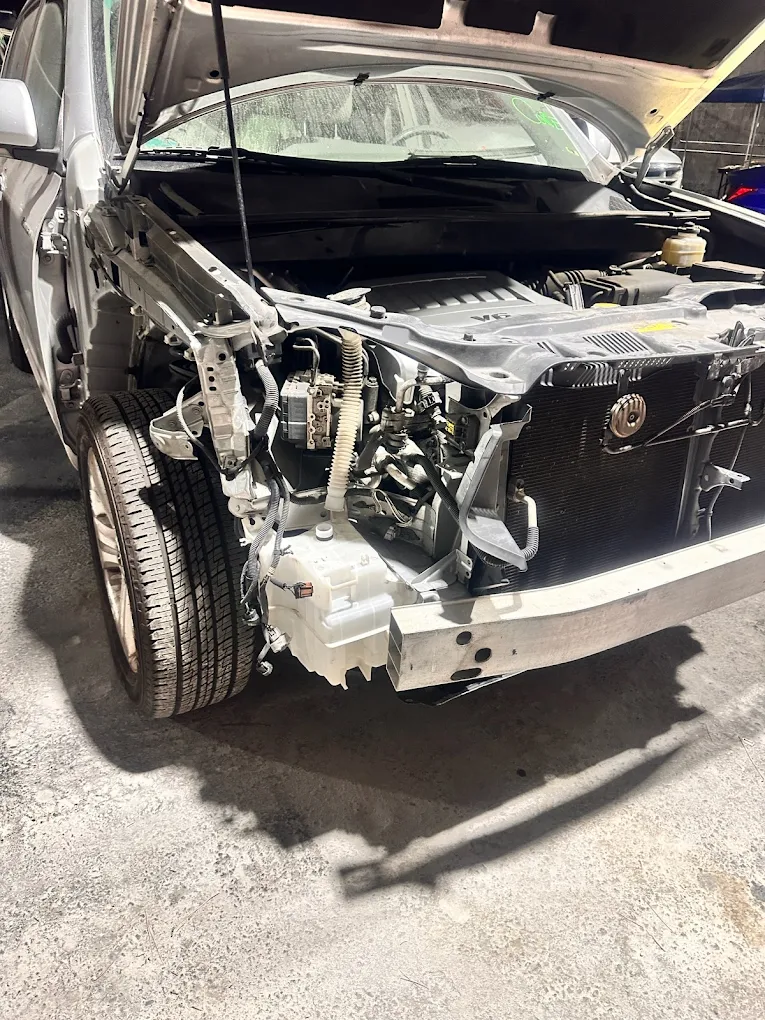
What Is a Collision Repair Estimate?
A collision repair estimate is a written breakdown of the visible damage and the repair work that may be needed.
It may explain:
- which areas of the vehicle are damaged
- which parts may need repair or replacement
- how much labor may be needed
- whether paint or refinishing may be required
- whether diagnostics or scans may be needed
- whether additional inspection may be needed
- whether insurance may need to review the estimate
An estimate is usually the starting point, not always the final repair cost.
Some damage is easy to see. Other damage may be hidden behind a bumper cover, panel, bracket, light, sensor, or mounting point. That is why an estimate may change after closer inspection.
Vehicle and Claim Information
Most estimates start with basic vehicle and claim details.
This may include:
- customer name
- contact information
- vehicle year
- make and model
- VIN
- mileage
- license plate
- insurance company, if involved
- claim number, if available
- adjuster information, if available
- estimate date
This information helps connect the estimate to the correct vehicle, owner, insurance claim, and repair file.
Check that your vehicle information is correct before approving work.
Damage Notes and Photos
A clear estimate often includes written damage notes and photos.
Photos may document:
- the damaged area
- bumper damage
- scratches
- dents
- broken lights
- paint damage
- panel gaps
- accident impact points
- visible part damage
- possible hidden damage areas
Photos are especially helpful when insurance is involved.
They show what the vehicle looked like before repair work started and help support the estimate review.
Labor Included in the Estimate
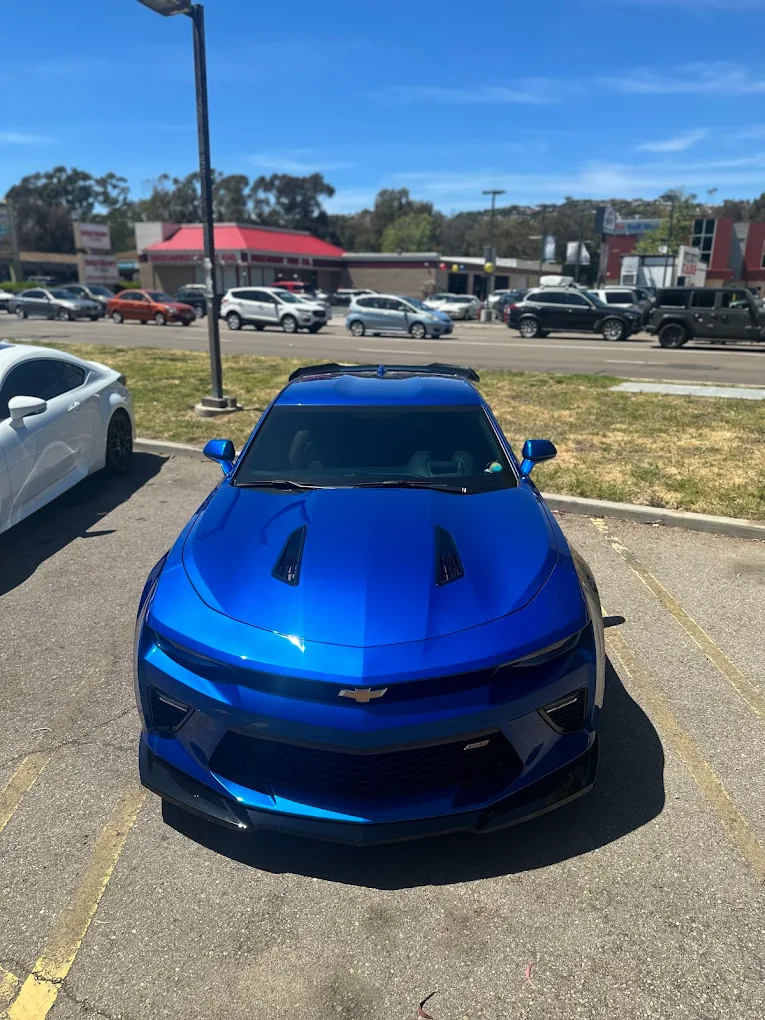
Labor is one of the main parts of a collision repair estimate.
Labor means the time needed to complete repair work.
A body shop estimate may include different labor categories, such as:
- body labor
- paint labor
- frame or structural labor
- mechanical labor
- diagnostic or scan labor
- remove and install labor
- repair labor
- replacement labor
- reassembly labor
Labor may cover removing damaged parts, repairing panels, preparing surfaces, painting, installing parts, checking fit, and putting the vehicle back together.
Each labor line should help explain what work is being done.
Parts Listed on the Estimate
Parts may be listed when something needs to be replaced, repaired, or installed.
Parts may include:
- bumper covers
- brackets
- clips
- lights
- trim pieces
- fenders
- doors
- panels
- moldings
- sensors
- fasteners
- related damaged components
The estimate may also show the part type.
Parts may be listed as:
- OEM
- aftermarket
- recycled or used
- reconditioned
- rebuilt
- remanufactured
If you see parts listed on your estimate, ask what type of parts are being used and why they are recommended.
Paint Materials and Refinishing
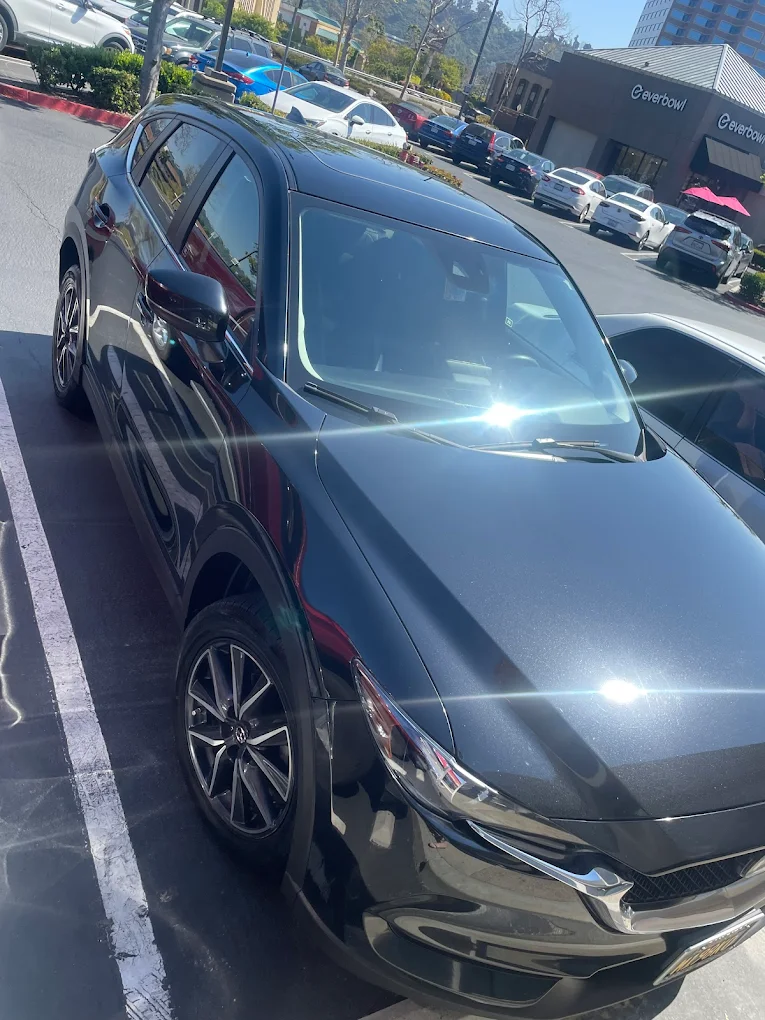
Paint materials are often included when the repair affects the vehicle’s finish.
Paint-related line items may include:
- primer
- base coat
- color matching
- blending
- clear coat
- sanding materials
- masking materials
- refinishing labor
- paint supplies
Paint work may be needed after scratches, bumper repair, panel repair, replacement parts, or accident damage.
Paint matching matters because the new finish needs to blend with the existing vehicle color.
For more detail, read How Auto Paint Matching Works.
Blending and Adjacent Panels
Sometimes the estimate may include blending.
Blending means the new paint is faded into nearby panels so the repaired area does not look like a hard patch.
Blending may be needed when:
- the paint is metallic
- the paint is pearl
- the vehicle color has faded
- the repair is near another panel
- the replaced part needs color matching
- the repaired panel sits beside older paint
If blending is included, ask which nearby panels are involved and why the blending is recommended.
Scans, Diagnostics, and Technology Checks
Modern vehicles may need a scan before, during, or after repair.
A scan may help identify:
- warning lights
- sensor concerns
- electronic system issues
- driver-assistance system alerts
- hidden fault codes
- accident-related electrical concerns
Some repairs may also need calibration or a technology check if sensors, cameras, radar units, lights, or driver-assistance systems are affected.
Not every repair needs the same scan process. It depends on the vehicle, damage, and repair area.
If your bumper, lights, sensors, or driver-assistance systems were affected, ask whether scanning or calibration may be needed.
Sublet Services
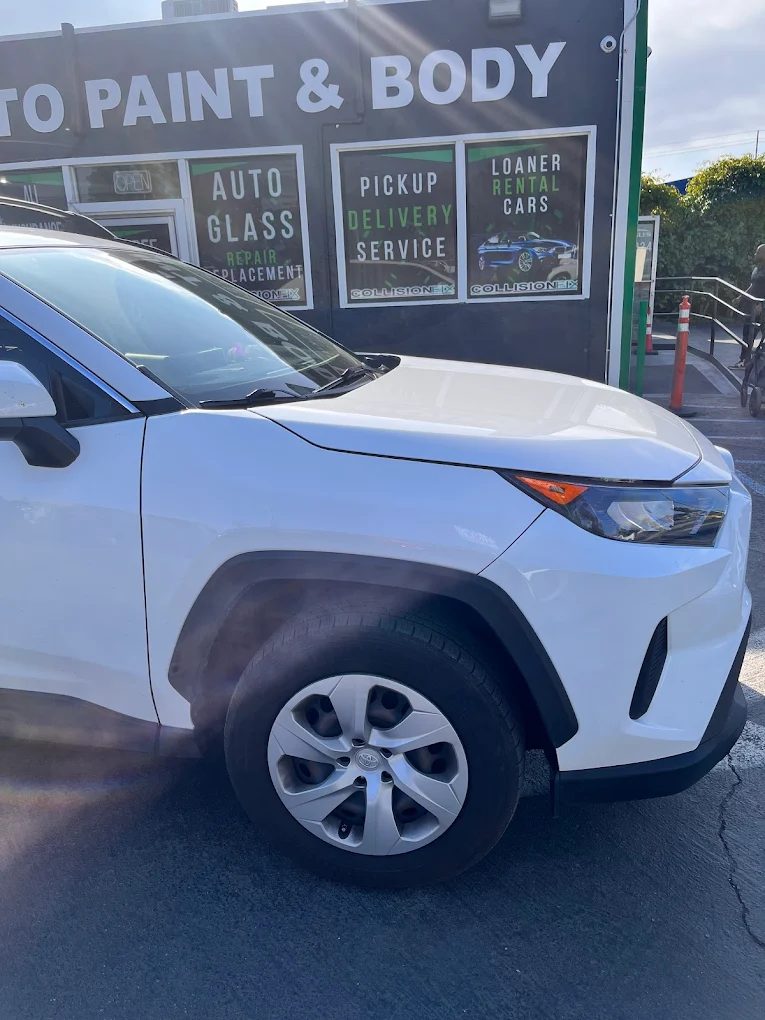
Some estimates include sublet services.
Sublet work means part of the repair may be handled by a specialized outside provider.
Sublet services may include:
- wheel alignment
- glass replacement
- air conditioning recharge
- sensor calibration
- specialized diagnostics
- wheel repair
- towing
- specialty mechanical work
If sublet work appears on the estimate, ask what service is being performed and why it is needed.
Taxes, Fees, and Shop Supplies
A collision repair estimate may include taxes, fees, or supplies.
These may include:
- sales tax
- shop supplies
- hazardous waste disposal
- materials fees
- administrative fees
- environmental fees
These items vary by repair type, shop process, and local requirements.
If a fee is unclear, ask the shop to explain it before approving the estimate.
Teardown and Hidden Damage
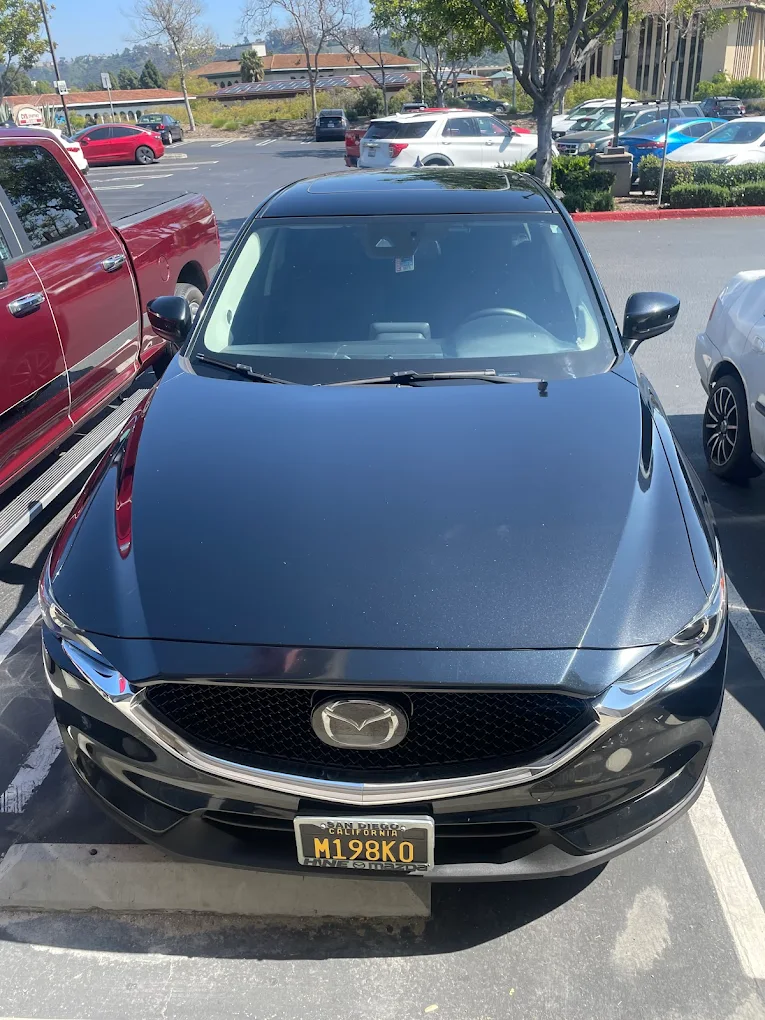
Teardown means damaged parts may be removed so the shop can inspect behind the visible damage.
This step can reveal damage that was not clear during the first review.
Hidden damage may include:
- broken bumper clips
- bent brackets
- damaged mounting points
- cracked supports
- damage behind panels
- sensor damage
- wiring concerns
- structural or frame-related damage
A vehicle may look lightly damaged from the outside and still have hidden damage behind the bumper or panel.
That is why the first estimate may not always be the final repair amount.
Frame Check or Structural Review
A frame check may be needed when the accident may have affected deeper vehicle structure or alignment.
This may happen after:
- hard impacts
- rear-end collisions
- side impacts
- bumper damage with poor fit
- panels that do not line up
- visible gaps after an accident
- steering or alignment concerns
- damage near structural areas
A frame check helps determine whether the damage is only exterior or whether deeper repair review is needed.
For structure-related repair help, visit our frame damage repair page.
Supplements After the First Estimate
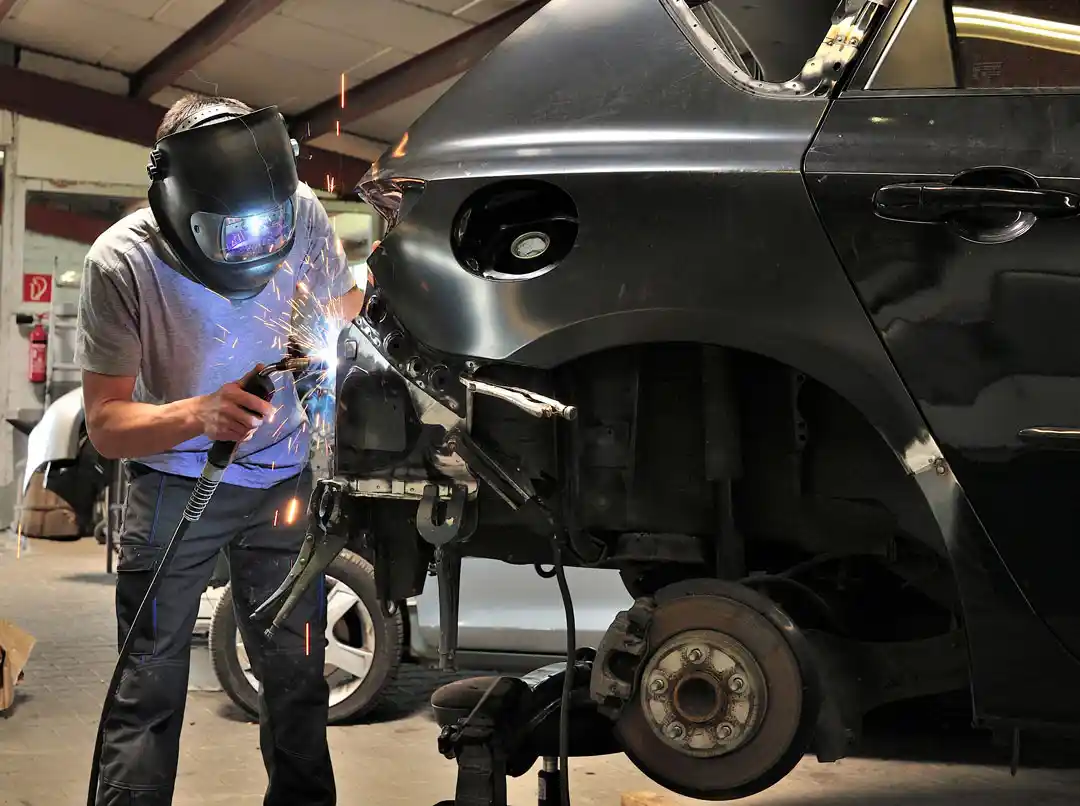
Supplements are updates to the original estimate.
A supplement may be needed when more damage is found after teardown or closer inspection.
A supplement may include:
- additional labor
- more parts
- extra paint work
- hidden bumper damage
- bracket damage
- sensor-related work
- frame or structural review
- insurance notes
- updated repair approval
Supplements are common in collision repair because the full damage is not always visible during the first estimate.
If insurance is involved, the insurer may need to review the supplement before extra repair work continues.
Insurance Review and Approval
If you are using insurance, the estimate may be reviewed before repairs move forward.
Insurance may ask for:
- claim number
- accident details
- photos
- repair estimate
- part details
- damage notes
- supplement details
- repair approval
Approval means the repair can move forward based on the estimate or agreed repair plan.
For claim-related repair help, visit our insurance collision repair page.
Estimate vs. Final Invoice
An estimate and a final invoice are not always the same.
The estimate is prepared before or during the early repair review.
The final invoice shows the completed work.
The final invoice may differ if:
- hidden damage was found
- extra parts were needed
- supplements were approved
- additional paint work was required
- the damage was worse than first visible
- diagnostic or calibration work was needed
- the repair plan changed after teardown
Before pickup, review the final invoice and ask questions if any line item is unclear.
Common Collision Repair Estimate Items
Here is a simple breakdown of common collision repair estimate items:
| Estimate Item | What It Usually Means |
|---|---|
| Vehicle details | Year, make, model, VIN, mileage, and claim information |
| Labor | Time needed to repair, paint, inspect, or reassemble |
| Parts | Items that may need replacement, repair, or installation |
| Paint materials | Primer, base coat, clear coat, masking, and refinish supplies |
| Photos | Damage documentation for repair and insurance review |
| Scan | Electronic or diagnostic check when needed |
| Teardown | Removing parts to inspect hidden damage |
| Supplements | Estimate updates after hidden damage is found |
| Frame check | Review of possible structural or alignment concerns |
| Sublet services | Specialized work such as alignment, glass, or calibration |
| Taxes and fees | Taxes, supplies, disposal fees, or related charges |
| Approval | Customer or insurance authorization before repair continues |
This can help you understand the estimate before you approve repairs.
Why Two Estimates May Look Different
Two estimates for the same vehicle may not look the same.
Differences can happen because of:
- visible damage assumptions
- hidden damage concerns
- part type choices
- labor rates
- paint and material needs
- diagnostic or scan needs
- frame review concerns
- insurance requirements
- teardown differences
- sublet service needs
- repair method differences
Do not compare only the total price.
Compare what each estimate includes, which parts are listed, what labor is included, whether paint materials are covered, and whether hidden damage has been considered.
Questions to Ask Before Approving a Repair Estimate
Before approving repairs, ask clear questions.
Helpful questions include:
- What damage is visible?
- Could hidden damage appear after teardown?
- Which parts are being repaired or replaced?
- What type of parts are being used?
- Does the estimate include paint materials?
- Will paint blending be needed?
- Is a scan or calibration needed?
- Is sublet work needed?
- Is a frame check needed?
- What taxes, fees, or supplies are included?
- What happens if the estimate changes?
- Who approves supplements if insurance is involved?
- When will I receive updates?
These questions help you understand the repair plan before work begins.
Helpful California Consumer Resource
For official California consumer information, you can review the California Auto Body Repair Consumer Bill of Rights.
This resource may help you understand written estimates, repair invoices, part descriptions, and consumer information related to auto body repairs in California.
When to Schedule a Collision Repair Estimate
Schedule an estimate if your vehicle has visible damage after an accident, parking impact, scrape, or collision.
You should request an estimate if you see:
- bumper damage
- dents
- scratches
- scraped paint
- damaged panels
- loose bumper sections
- broken lights
- poor panel fit
- possible frame damage
- accident-related exterior damage
You do not need to know the exact repair type first. A damage review gives you a clearer starting point.
Related CollisionFix Guides
If you want to understand the repair process before approving work, these guides can help:
- Auto Body Repair Process
- Should I Use Insurance for Auto Body Repair?
- Collision Repair vs. Auto Body Repair
- Bumper Repair vs. Replacement
- How Auto Paint Matching Works
For all guides, visit the auto body repair resources page.
Schedule an Estimate for Vehicle Damage
You do not have to guess what is included in your repair.
If your vehicle has bumper damage, dents, scratches, paint damage, panel damage, or accident-related body damage, CollisionFix can review the visible damage and explain the next step.
Frequently Asked Questions
A collision repair estimate may include labor, parts, paint materials, photos, scans, teardown notes, frame check needs, supplement notes, insurance details, taxes, fees, and approval steps.
Common items include vehicle details, claim information, body labor, paint labor, replacement parts, clips, brackets, refinishing, scans, sublet services, teardown, supplements, taxes, and repair notes.
Labor means the time needed to complete the repair work. It may include body labor, paint labor, frame labor, mechanical labor, scan labor, remove and install labor, repair labor, replacement labor, and reassembly labor.
A body shop estimate may list bumper covers, clips, brackets, lights, panels, trim, sensors, fasteners, and other damaged parts that need repair or replacement.
OEM parts come from the vehicle manufacturer. Aftermarket parts are made by another company. Recycled parts are used parts taken from another vehicle. The estimate should help identify the part type when parts are listed.
Paint materials may be needed when the repair affects the vehicle finish. This can include primer, base coat, clear coat, blending materials, masking supplies, and refinishing materials.
Sublet services are specialized repairs or checks handled outside the main body shop process. They may include wheel alignment, glass replacement, sensor calibration, air conditioning recharge, or other specialized work.
A repair estimate can change after teardown because hidden damage may appear once damaged parts are removed. This may lead to a supplement.
A supplement is an update to the original estimate when more damage or additional repair needs are found after closer inspection or teardown.
It may include a frame check or structural review if the accident may have affected deeper areas of the vehicle. Not every collision estimate includes frame repair.
If you are using insurance, the insurer may need to review and approve the estimate before repairs begin. If hidden damage appears later, the insurer may also review supplements.
No. Compare what each estimate includes, which parts are listed, what labor is included, whether paint materials are covered, whether diagnostics are included, and whether hidden damage has been considered.
Schedule an estimate when your vehicle has bumper damage, dents, scratches, paint damage, loose panels, broken lights, or accident-related exterior damage.