
Bumper Repair vs. Replacement
Bumper damage can look simple at first.
You may see a scratch, dent, crack, loose corner, paint scuff, or pushed-in area and wonder if you should repair or replace bumper damage.
The right choice depends on the damage depth, bumper fit, broken clips, mounting points, paint damage, sensor location, and whether the bumper can stay secure after repair.
This bumper damage repair guide explains when bumper repair may work, when replacement may be better, and why an estimate is the best way to decide.
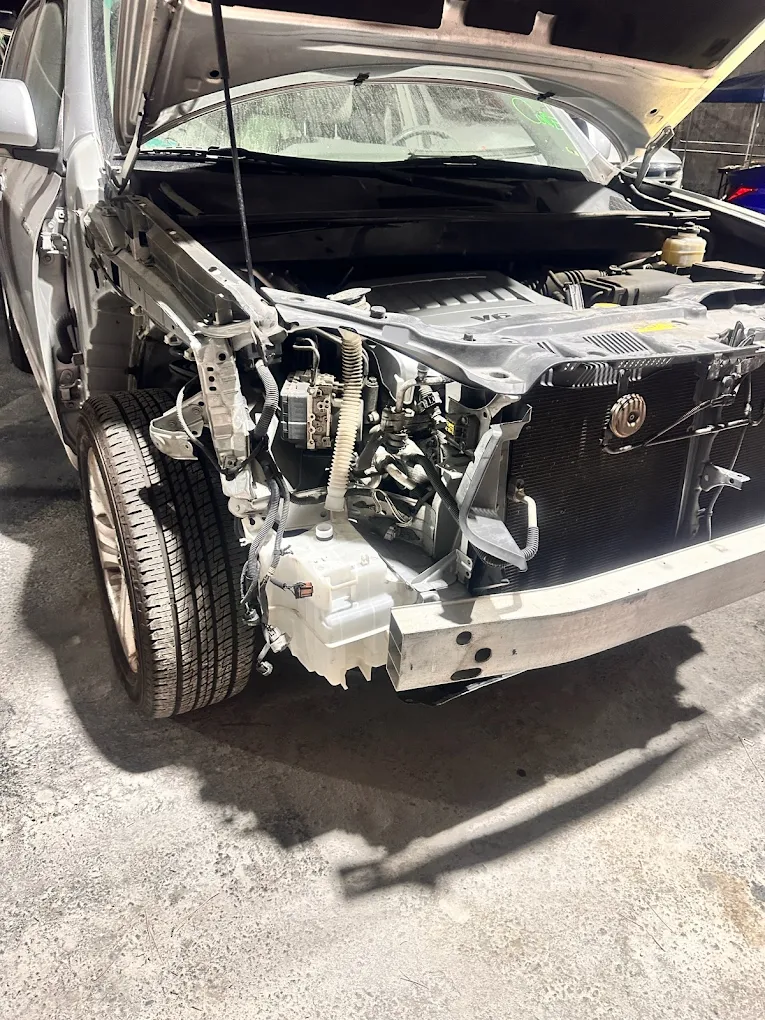
What Is Bumper Repair?
Bumper repair means fixing the damaged bumper cover when the damage can be safely corrected.
Repair may be possible when the bumper has:
- light scratches
- paint scuffs
- small dents
- minor paint transfer
- shallow scrapes
- small repairable cracks
- surface-level paint damage
- a shape that still fits correctly
- mounting points that still hold securely
A repair may include sanding, reshaping, plastic repair, filling, refinishing, color matching, and repainting the damaged area.
For service-specific help, visit our bumper repair page.
What Is Bumper Replacement?
Bumper replacement means the damaged bumper cover is removed and replaced with another bumper cover.
Replacement may be needed when the bumper has:
- deep punctures
- long cracks
- torn plastic
- missing plastic
- damaged mounting tabs
- broken clips
- loose bumper sections
- severe impact damage
- damage near sensors
- poor fit after impact
A replacement bumper may still need paint, color matching, installation, alignment, and final fit checks before the vehicle is ready.
Bumper Repair vs. Replacement: The Main Difference
The main difference is whether the existing bumper can still fit, hold, and function correctly after repair.
Bumper repair vs replacement usually depends on:
- how severe the damage is
- whether the bumper is cracked or torn
- whether the bumper sits evenly
- whether clips or mounting tabs are broken
- whether sensors, lights, or wiring are involved
- whether paint work is needed
- whether repair cost is close to replacement cost
- whether hidden damage exists behind the bumper cover
A light scrape may only need repair and paint work.
A cracked, loose, torn, punctured, or sensor-damaged bumper may need replacement.
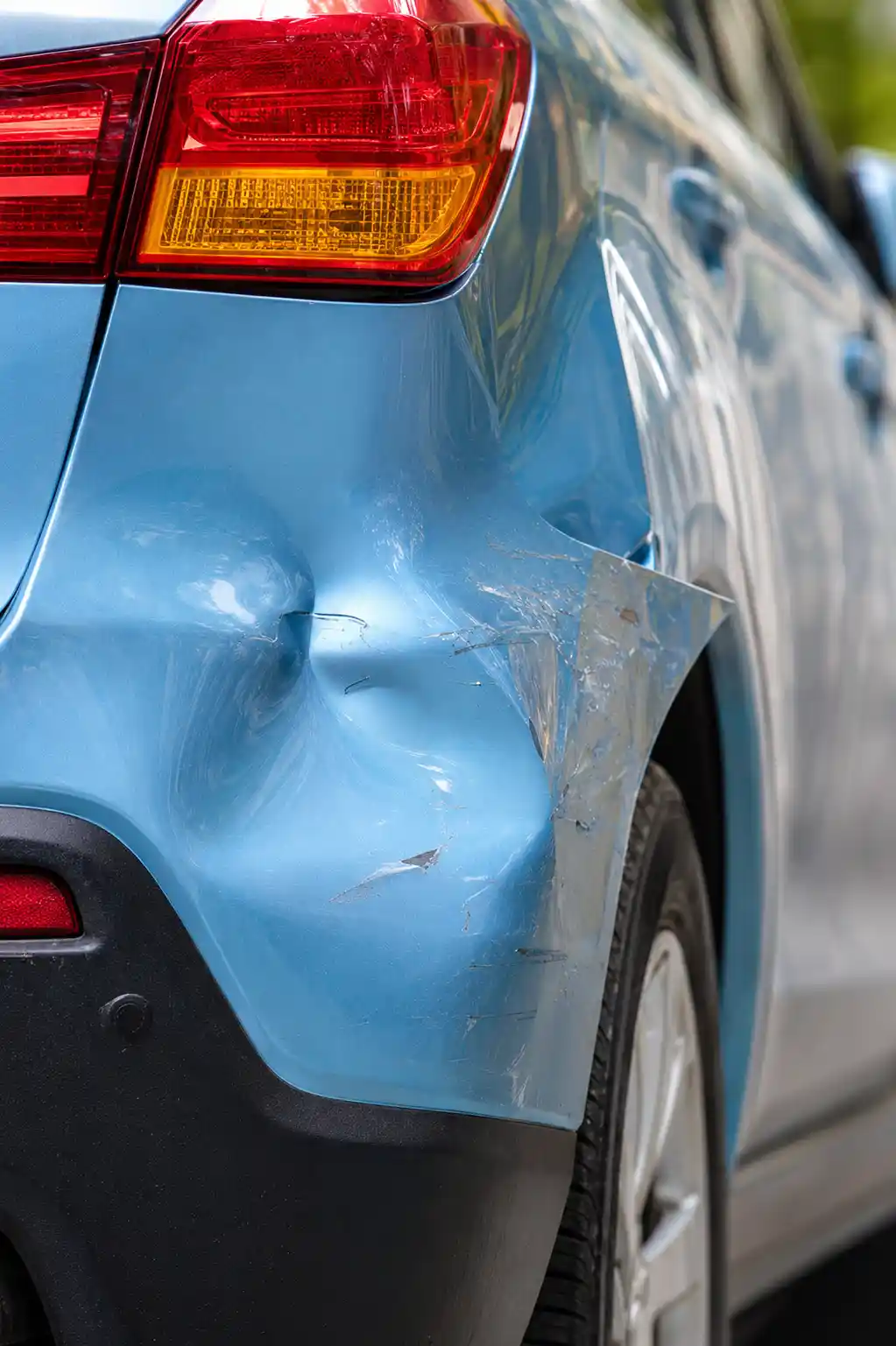
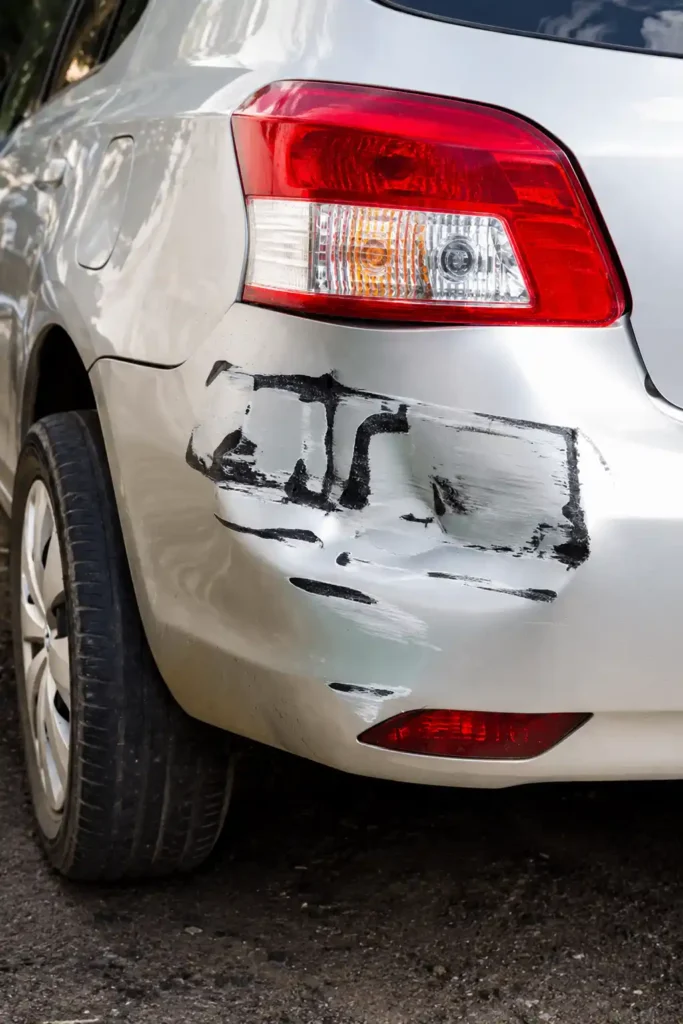
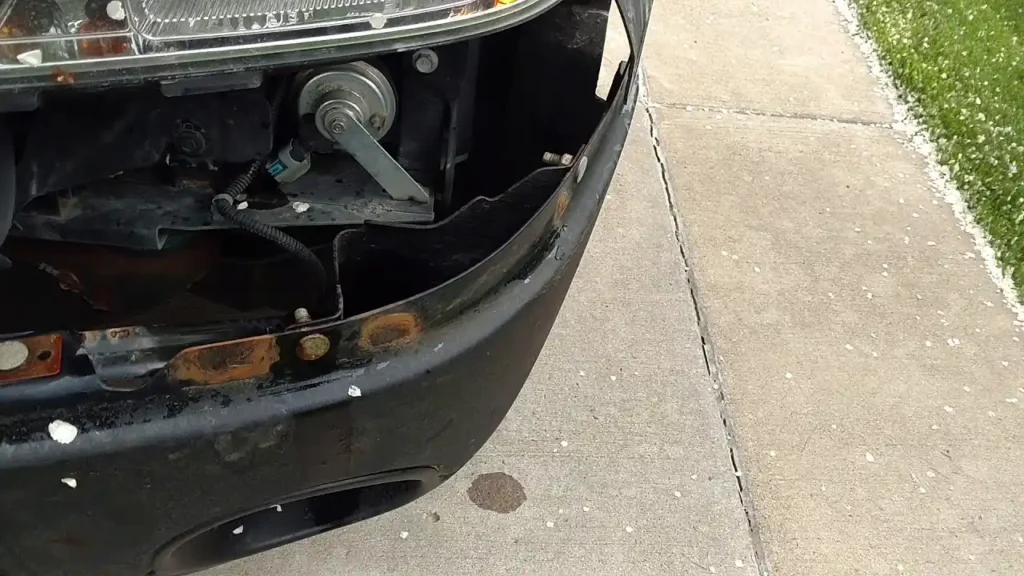
When Bumper Repair May Be Enough
Bumper repair may be the right choice when the damage is mostly cosmetic and the bumper still fits correctly.
Repair may work for:
- light scratches
- small dents
- minor scuffs
- paint transfer
- shallow scrapes
- small cracks away from mounts
- bumper covers that still sit flush
- damage away from sensors
- damage that has not weakened the bumper cover
This option may help keep the original bumper cover if the damage is not too deep.
For paint-related bumper damage, visit our auto paint page.
When Bumper Replacement May Be Better
Bumper replacement may be better when the bumper is too damaged to restore correctly.
Replacement may be needed if:
- the bumper is badly cracked
- the bumper is split or torn
- mounting points are broken
- the bumper does not sit flush
- the bumper feels loose
- holes or deep punctures are present
- sensor areas are damaged
- the crash bar or foam absorber may be affected
- repair would not restore proper fit
- repair cost is too close to replacement cost
A bumper is not only for appearance. It also covers parts behind it and helps protect important areas of the vehicle.
If damage affects fit, support, or safety-related areas, replacement may be the better repair path.
Cracked Bumper Repair or Replacement
A cracked bumper is one of the most common decision points.
Cracked bumper repair or replacement depends on the crack length, crack location, bumper material, and whether the bumper still holds its shape.
A small crack may sometimes be repaired if:
- it is not spreading
- it is away from mounting points
- the plastic is not missing
- the bumper sits correctly
- sensors are not affected
- the repaired area can hold after refinishing
Replacement may be better if:
- the crack is long
- the crack is spreading
- the crack goes through a mounting point
- the bumper is torn
- the bumper is loose
- the bumper no longer lines up
- the damaged area is near sensors
- the plastic is missing or weak
If you are not sure, schedule an estimate before choosing repair or replacement.
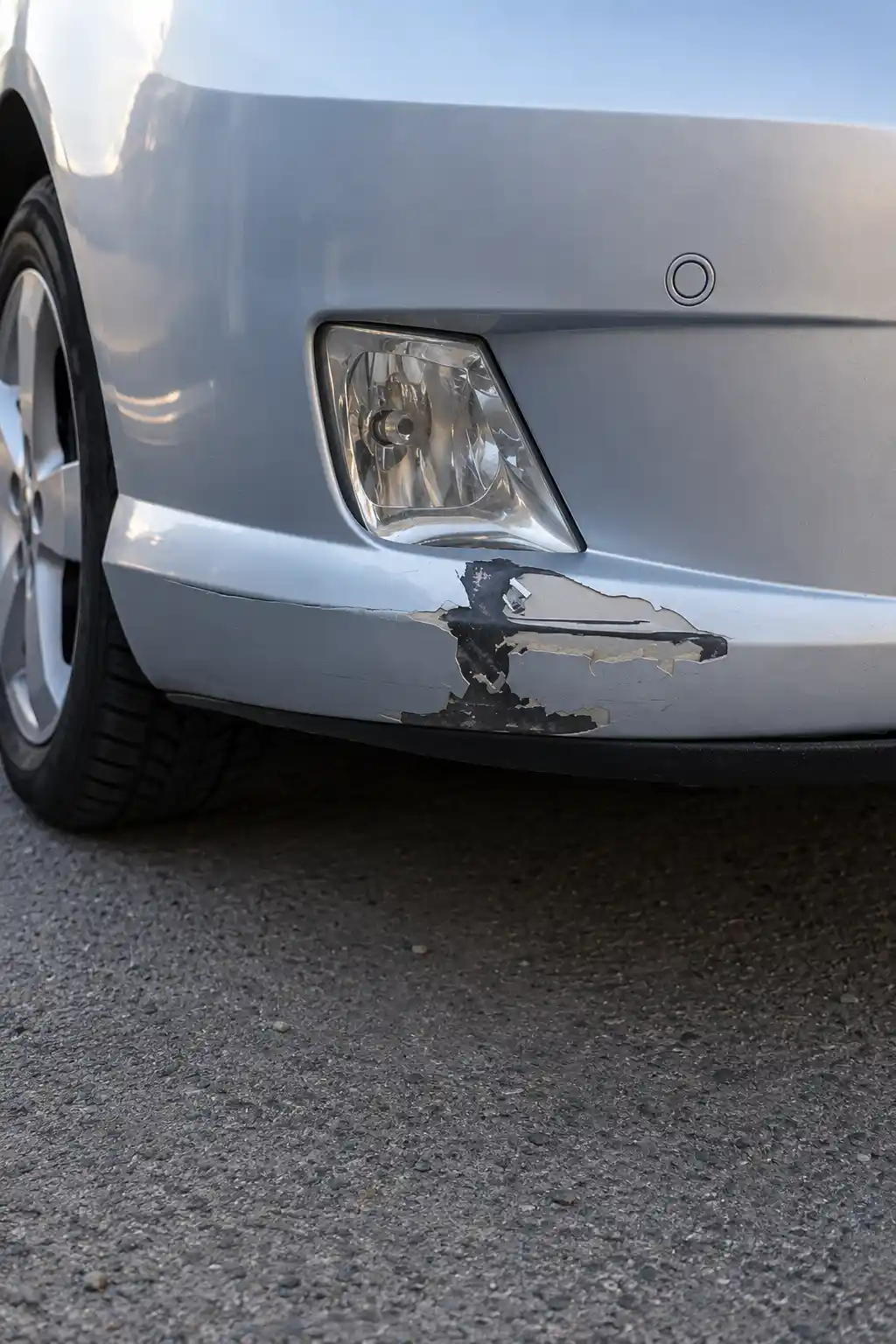
Plastic Bumper Repair: Is It Worth Fixing?
Many modern bumper covers are made from plastic.
A plastic bumper may be worth repairing when the damage is light, the bumper still fits correctly, and the repair can hold after refinishing.
Plastic bumper repair may work for:
- small dents
- surface scratches
- paint scuffs
- small isolated cracks
- minor corner damage
- paint transfer
- shallow scrape marks
Plastic bumper replacement may be better when the bumper has deep punctures, torn plastic, missing sections, weak mounting points, or sensor-area damage.
The best choice depends on how the bumper looks, how it fits, and what is behind the visible damage.
Bumper Dents, Clips, and Fit Problems
Not all bumper dents are the same.
Some dents can be repaired if the bumper cover is still flexible and the paint damage is limited. Other dents may stretch the plastic, break clips, or affect how the bumper sits against the vehicle.
Bumper clips and mounting points matter because they help hold the bumper in place.
If clips are damaged, you may notice:
- one side of the bumper hangs lower
- a bumper corner pops out
- gaps near the fender
- the bumper feels loose
- the bumper does not line up
- the bumper moves when touched
A bumper that does not fit correctly should be inspected before repair decisions are made.
Paint Damage After Bumper Impact
Bumper damage often includes paint damage.
Paint damage may look like:
- scratches
- scuffs
- chips
- clear coat damage
- paint transfer
- cracked paint
- scraped bumper corners
Paint repair may require sanding, refinishing, color matching, blending, and clear coat.
Even if the bumper cover can be repaired, the finish may still need paint work to match the rest of the vehicle.
For more detail, read How Auto Paint Matching Works.
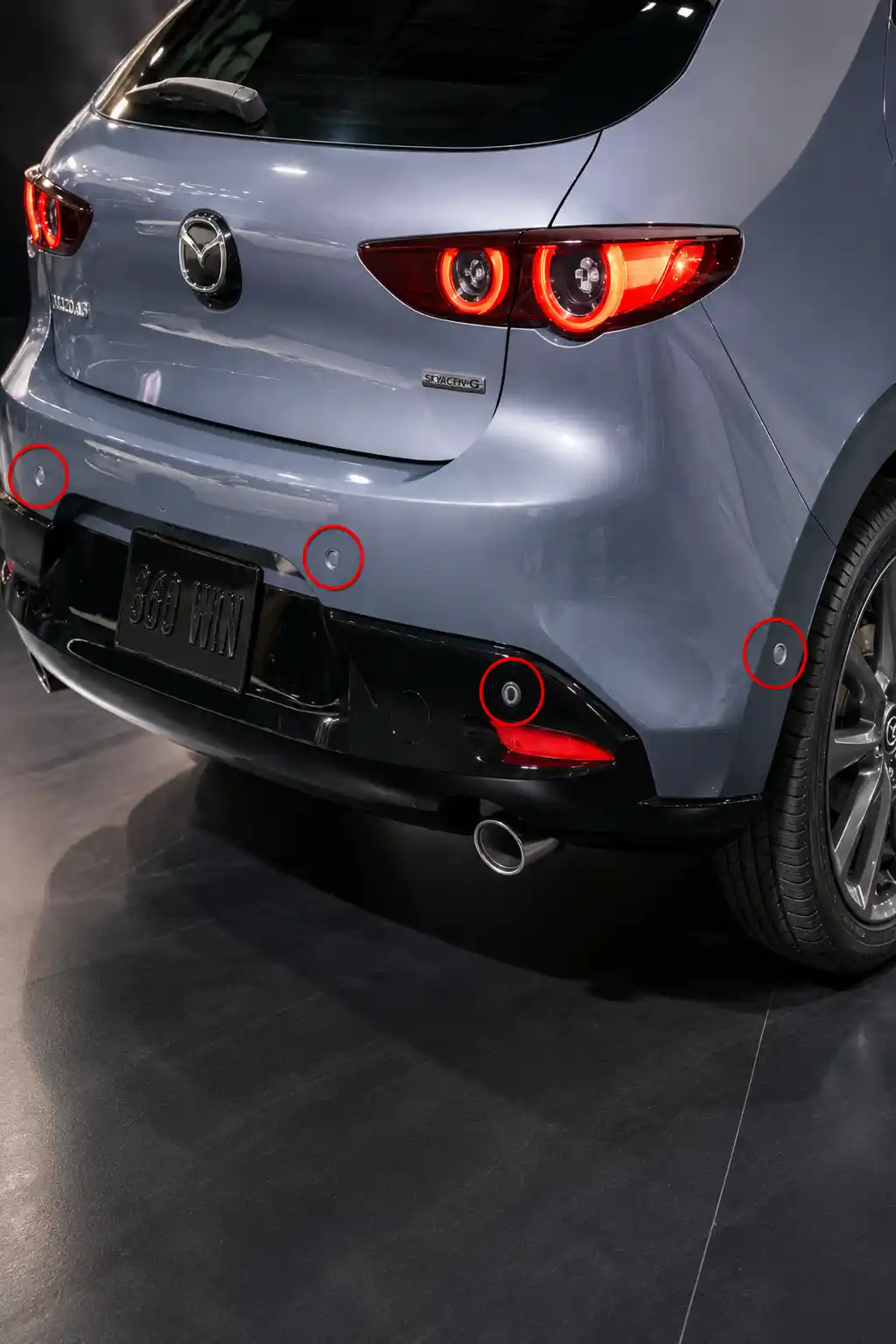
Sensors, ADAS, and Safety Concerns
Many modern bumpers include or sit near sensors, lights, wiring, brackets, radar units, and driver-assistance components.
Bumper damage may need closer review if you notice:
- warning lights
- parking sensor problems
- backup sensor issues
- blind-spot warning problems
- loose bumper sections
- damaged lights
- broken brackets
- impact near sensor areas
- bumper gaps after impact
Bumper repair is not only about appearance. Safety, fit, and function matter too.
If the bumper was hit hard or the sensors are not working correctly, schedule an estimate before approving repair work.
Crash Bar and Foam Absorber Damage
The bumper cover is the outside part you see.
Behind it, some vehicles have impact-absorbing parts such as a foam absorber, brackets, reinforcement, or crash bar.
Damage behind the bumper cover may not be visible right away.
A closer review may be needed if:
- the bumper was hit hard
- the bumper is pushed in
- the bumper cover is cracked or torn
- the bumper does not line up
- the vehicle has warning lights
- lights or sensors are affected
- the impact area feels loose or unstable
If deeper parts are damaged, bumper replacement or collision repair may be needed.
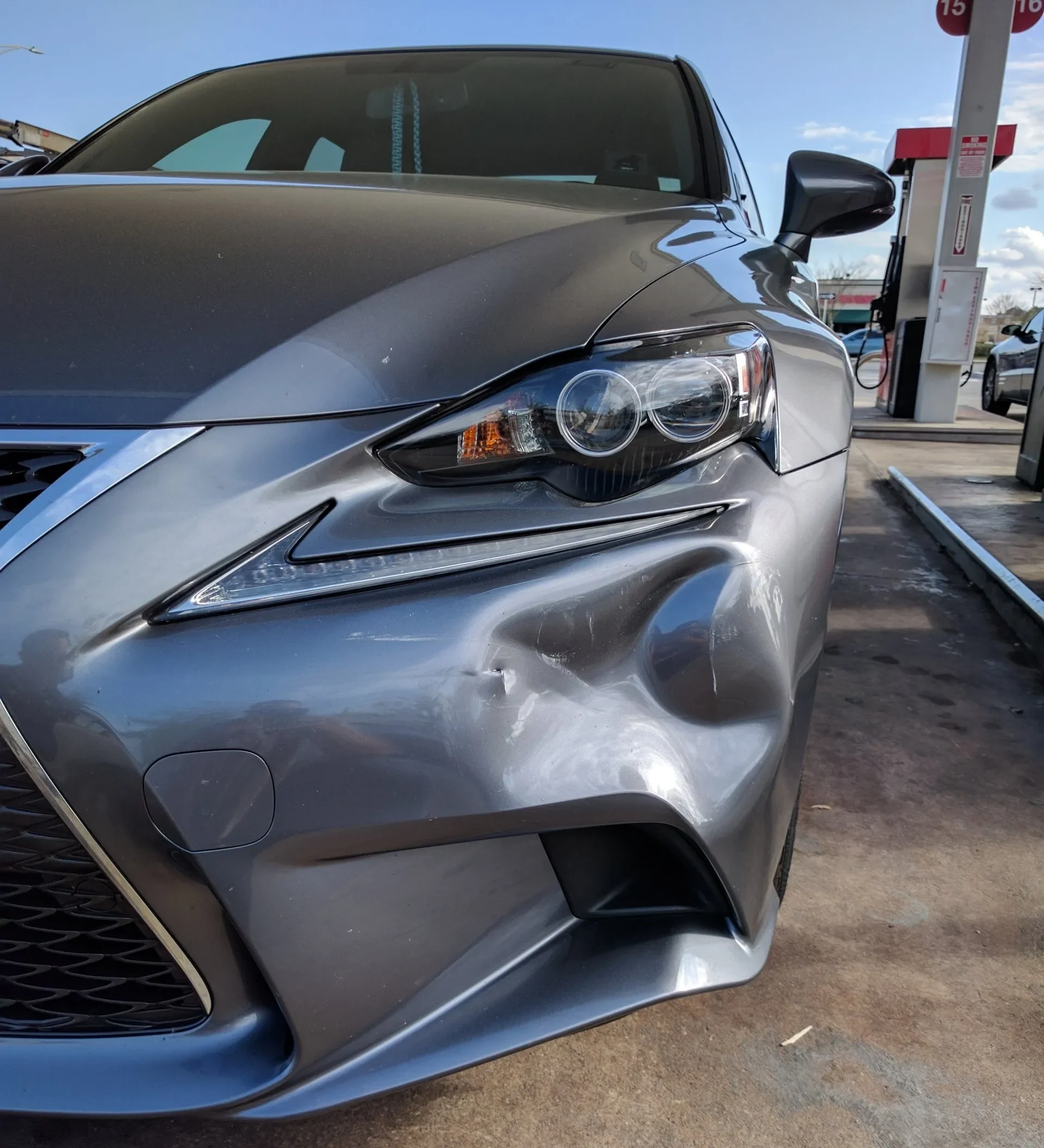
Replacement Cost Factors
Bumper replacement cost can vary because not every vehicle uses the same bumper setup.
Common replacement cost factors include:
- vehicle make and model
- front bumper vs. rear bumper
- bumper cover type
- paint and color matching
- sensor involvement
- clips and brackets
- part availability
- labor time
- insurance involvement
- related hidden damage
- crash bar or absorber damage
Repair may be more affordable for minor damage. Replacement may make more sense when the bumper is badly cracked, loose, torn, punctured, or sensor-damaged.
The best way to know is to get an estimate based on the actual damage.
Should You Repair or Replace the Bumper?
Use this simple guide:
| Bumper Condition | Best Starting Point |
|---|---|
| Light scratches or scuffs | Repair review |
| Small dent with good fit | Repair review |
| Paint transfer only | Paint or bumper repair review |
| Small crack away from mounts | Estimate needed |
| Long crack or torn plastic | Replacement review |
| Deep puncture or missing plastic | Replacement review |
| Broken clips or loose bumper | Replacement or deeper inspection |
| Sensor damage or warning lights | Estimate and function review |
| Bumper does not sit correctly | Replacement or collision review |
| Crash bar or absorber may be affected | Collision review |
| Unsure what damage exists | Schedule an estimate |
If the bumper still fits well and the damage is mostly surface-level, repair may be enough.
If the bumper is cracked, loose, misaligned, torn, punctured, or sensor-affected, replacement may be the safer choice.
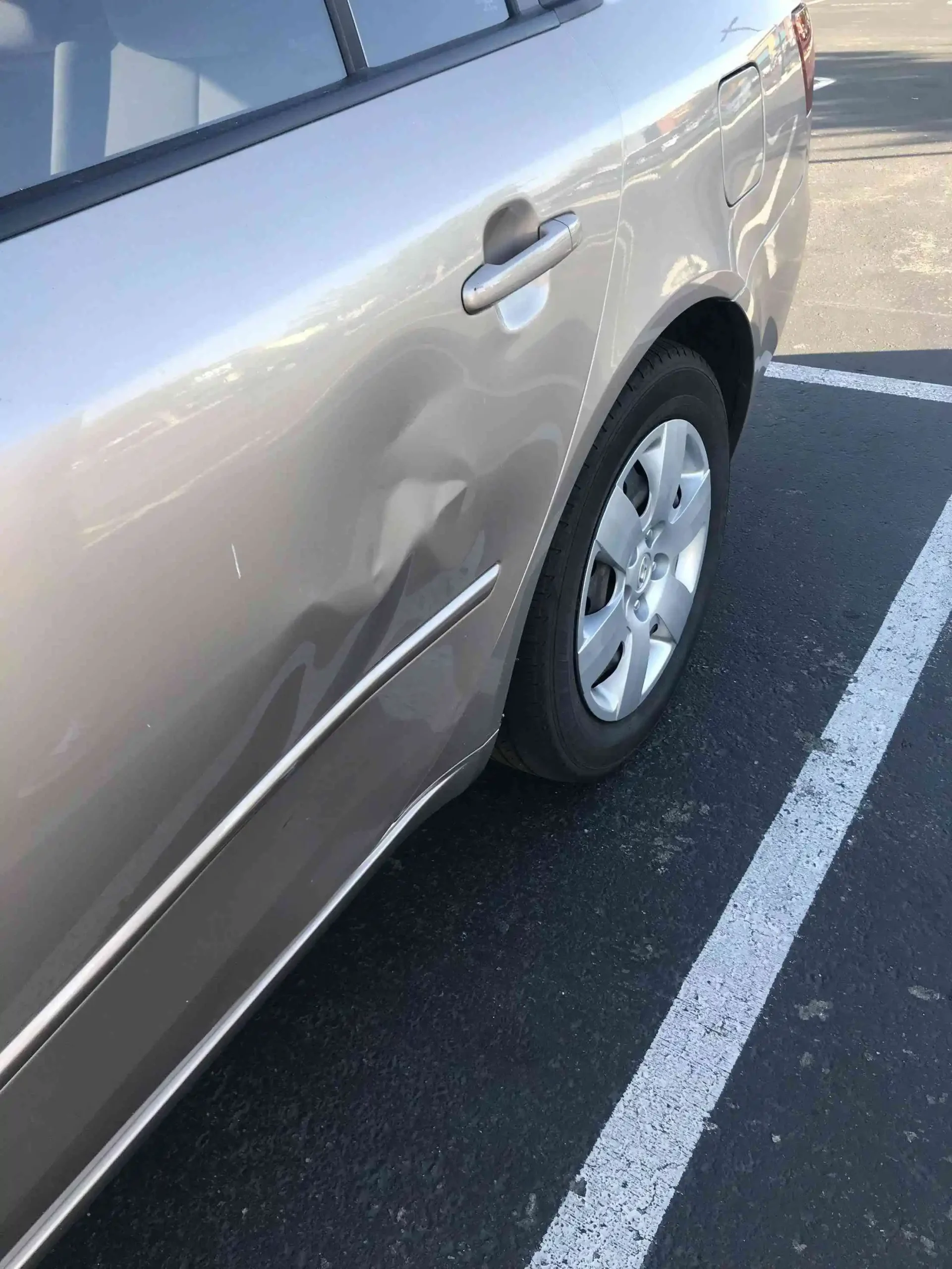
Insurance and Bumper Damage
Insurance may be involved if the bumper damage happened because of an accident, hit-and-run, parking impact, or covered collision.
Insurance may ask for:
- photos
- accident details
- claim number
- repair estimate
- bumper damage notes
- hidden damage information
- supplement details if more damage appears
If another driver caused the damage, their liability insurance may apply depending on the claim details.
If you are deciding whether to use insurance, read Should I Use Insurance for Auto Body Repair?.
For claim-related repair support, visit our insurance collision repair page.
Why an Estimate Matters
A bumper can hide more damage than you can see from the outside.
An estimate can help explain:
- whether the bumper cover can be repaired
- whether the bumper needs replacement
- whether clips or brackets are damaged
- whether paint work is needed
- whether sensors may be involved
- whether hidden damage may appear
- whether insurance may need more details
- whether parts behind the bumper need review
You do not have to decide alone. A damage review gives you a clearer repair path.
Related CollisionFix Guides
If you want to learn more before scheduling repairs, these guides can help:
- Auto Body Repair Process
- Collision Repair vs. Auto Body Repair
- How Auto Paint Matching Works
- What Is Included in a Collision Repair Estimate?
For all guides, visit the auto body repair resources page.
Schedule an Estimate for Bumper Damage
You do not have to know whether your bumper needs repair or replacement before contacting CollisionFix.
If your bumper has scratches, dents, cracks, loose sections, paint damage, broken clips, sensor concerns, or accident-related damage, CollisionFix can review the visible damage and explain the next step.
Frequently Asked Questions
It depends on the damage. Light scratches, scuffs, and small dents may be repairable. Deep punctures, long cracks, torn plastic, broken mounts, poor fit, or sensor damage may need replacement.
The cost depends on the vehicle, damage, paint work, sensors, and labor. Minor scuffs or shallow dents usually cost less than deep cracks, repainting, or replacement. Schedule an estimate for an accurate price.
Yes, if the plastic bumper has light damage and still fits correctly. It may not be worth repairing if the plastic is torn, missing, weak, cracked through a mounting point, or damaged near sensors.
A cracked bumper may be repairable if the crack is small, away from mounting points, and the bumper still fits correctly. Replacement may be better if the crack is long, spreading, near sensors, or affecting fit.
Replacement may be needed when the bumper is badly cracked, torn, loose, misaligned, missing plastic, damaged near sensors, or unable to hold securely with clips and mounting points.
Bumper repair is often more affordable for minor damage. Replacement may cost more because it can include a new bumper cover, paint, installation, clips, brackets, and sensor-related work.
Some clips or mounting areas may be repairable, but broken mounting points can make the bumper loose or misaligned. If the bumper does not sit correctly, it should be reviewed before deciding.
Yes. Collision repair often includes paint work when damaged panels, bumpers, or replacement parts need refinishing and color matching.
Often, yes. Many replacement bumper covers need paint matching, refinishing, clear coat, and installation before they match the vehicle.
Yes. Bumper damage can affect parking sensors, backup sensors, blind-spot monitors, wiring, brackets, or nearby components. If sensors are not working correctly, schedule an estimate.
It depends on your deductible, coverage, repair cost, and claim situation. If the repair cost is close to or below your deductible, paying directly may make more sense. If damage is higher, insurance may help.
It depends on the damage. Do not drive if the bumper is loose, dragging, blocking lights, rubbing a tire, or affecting sensors. If you are unsure, have the vehicle reviewed.
The best way is to schedule an estimate. A damage review can show whether the bumper can be repaired or whether replacement is the better option.