
What to Do After a Car Accident in San Diego
A car accident can leave you shaken, even when the damage looks small.
You may be asking what to do first, whether you should take photos, when to call police, whether you need an insurance claim, whether the car is safe to drive, and when to contact a body shop for a collision estimate.
This guide explains the basic steps after a car accident San Diego drivers can follow before starting the repair process.
If your vehicle has bumper damage, dents, paint damage, frame concerns, or accident-related body damage, CollisionFix can help you understand the next repair step.
Check for Safety First
Start with safety.
If anyone may be hurt, call 911 right away. If the vehicles are blocking traffic and it is safe to move them, move to a safer nearby area. Turn on hazard lights and stay aware of passing traffic.
Do not stand in an unsafe lane or inspect damage in a dangerous spot.
After the scene is safe, take a moment to collect the right information before making repair or insurance decisions.
Call Police or Emergency Help When Needed
Some accidents need emergency help or a police report.
Call 911 if there are injuries, unsafe road conditions, blocked traffic, a hit-and-run concern, or a driver who cannot safely continue.
The City of San Diego says SDPD responds only to injury accidents and hit-and-run collisions where there are injuries or potential suspect or lead information. (San Diego Official Website)
If the accident does not require emergency response, you may still need to document the crash, exchange information, and follow official reporting rules.
Know When a DMV Accident Report May Be Required
California DMV says drivers must submit an SR-1 report within 10 days if anyone is injured or killed, or if property damage is over $1,000. (California DMV)
This can apply even when the accident seems minor at first.
For current rules, use the official California DMV accident reporting page.
Exchange Information With the Other Driver
After the scene is safe, exchange information with the other driver.
Try to collect:
- driver name
- phone number
- license plate number
- driver’s license information
- insurance company name
- policy number, if available
- vehicle make, model, and color
- accident location
- date and time of the accident
Do not argue about fault at the scene. Focus on collecting the information needed for the next steps.
Take Clear Photos Before the Vehicle Is Moved Too Far
Photos can help explain what happened and what damage is visible.
Take photos of:
- the full vehicle
- each damaged area
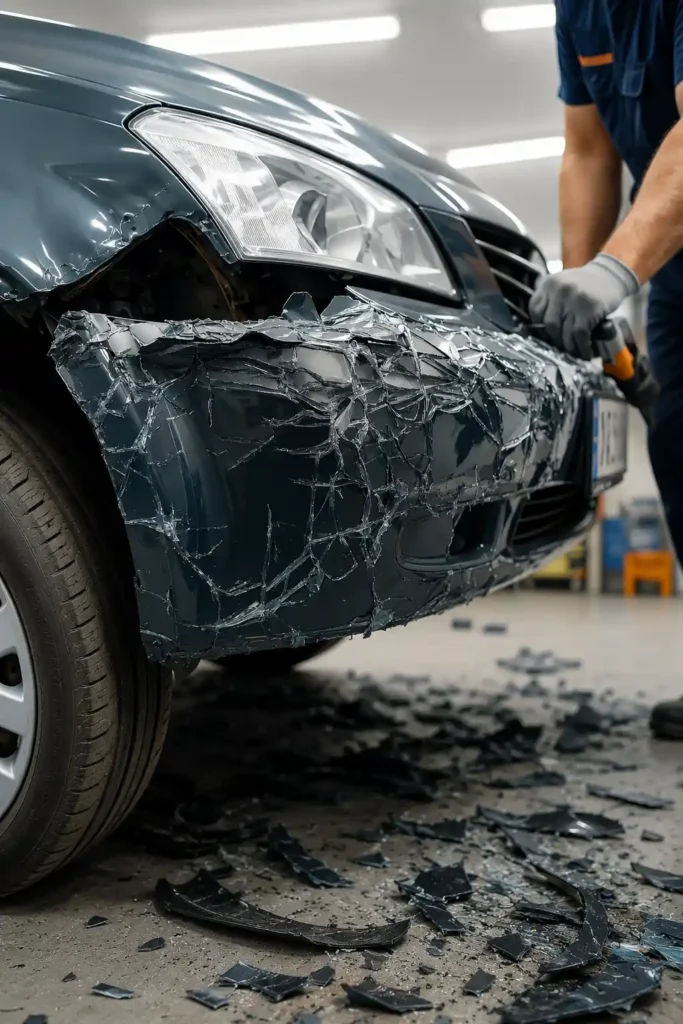
- bumper damage
- dents and scratches
- paint transfer
- broken lights
- wheel or tire damage
- road position, if safe
- license plates
- nearby signs or intersections
- leaking fluid or loose parts
Use close-up photos and wider photos. Wider photos show the accident location. Close-up photos show the repair damage.
Decide Whether the Vehicle Is Drivable
Not every damaged car should be driven.
Your vehicle may not be safe to drive if you notice:
- leaking fluid
- smoke or burning smell
- broken lights
- airbag deployment
- loose bumper parts
- rubbing tires
- bent wheels
- steering problems
- strange noises
- warning lights
- frame or suspension concerns
If you are not sure whether you have a drivable vehicle, do not take risks. A tow may be safer than driving a damaged car.
If the car has visible collision damage, CollisionFix can review the vehicle and explain the next repair step.
Contact Your Insurance Company
If you plan to use insurance, contact your insurer and explain what happened.
Your insurance company may ask for:
- accident date and time
- location
- photos
- driver information
- police report details, if available
- vehicle damage description
- claim number
- repair estimate
The California Department of Insurance publishes guidance on what to do after an accident and what to expect when filing a claim. (California Department of Insurance)
For repair-specific insurance help, visit our insurance collision repair page.
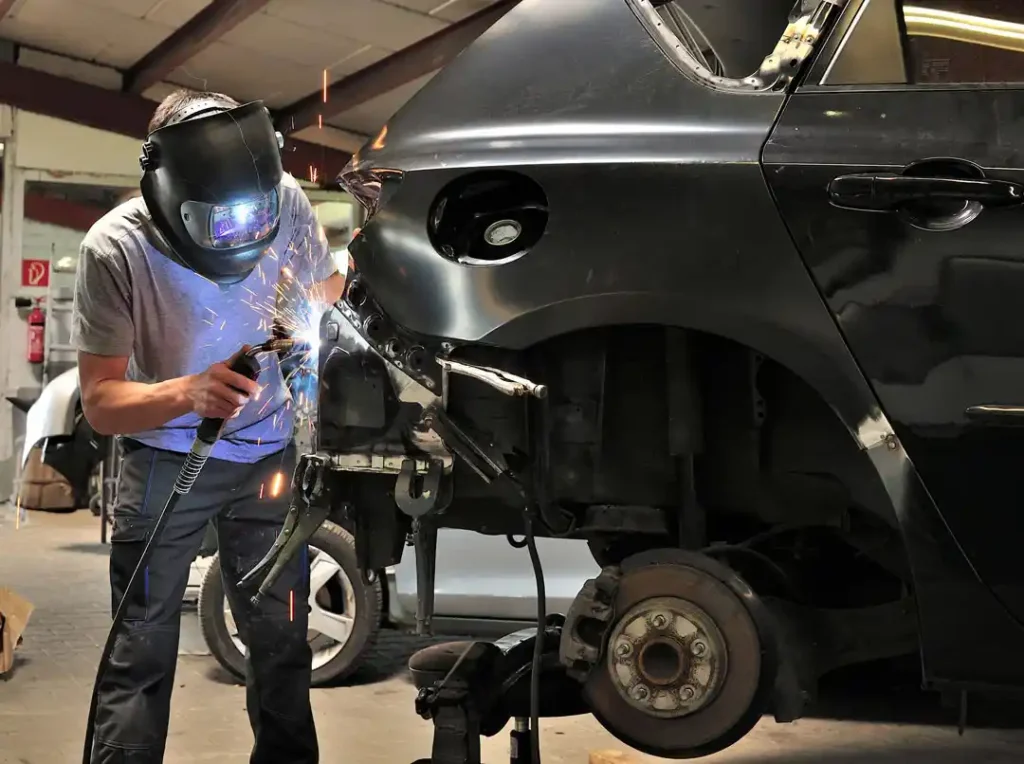
Know That You Can Choose a Repair Shop
Your insurance company may recommend a repair shop, but you may still have questions about your repair options.
Before approving repairs, ask:
- What damage is visible?
- Could hidden damage appear later?
- What parts may be needed?
- Will paint or refinishing be included?
- Will the estimate change after closer inspection?
- What information does insurance need before repair approval?
If your vehicle has visible damage, CollisionFix can help you understand the repair path and provide a collision estimate.
Contact Your Insurance Company
If you plan to use insurance, contact your insurer and explain what happened.
Your insurance company may ask for:
- accident date and time
- location
- photos
- driver information
- police report details, if available
- vehicle damage description
- claim number
- repair estimate
The California Department of Insurance publishes guidance on what to do after an accident and what to expect when filing a claim. (California Department of Insurance)
For repair-specific insurance help, visit our insurance collision repair page.
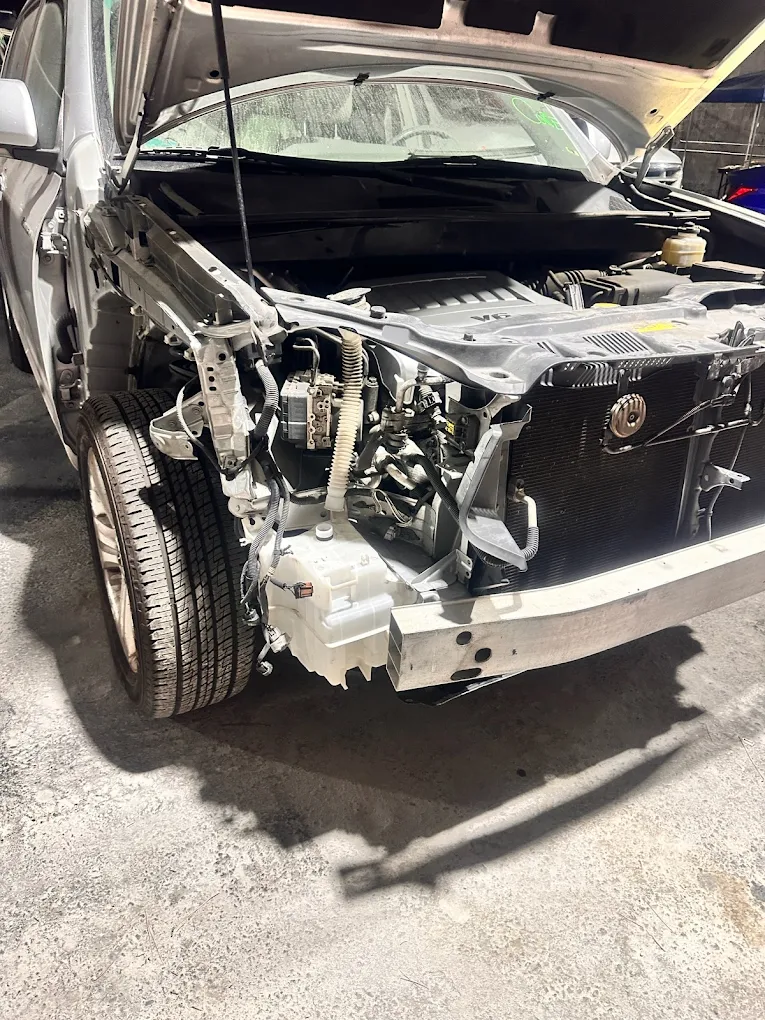
Get a Collision Estimate Before Approving Repairs
A collision estimate helps you understand the visible damage and possible repair direction.
An estimate may include:
- damaged panels
- bumper damage
- paint damage
- parts
- labor
- refinishing
- possible hidden damage
- insurance-related notes
Some damage looks minor at first. After closer inspection, a damaged bumper, panel, bracket, or frame area may need more attention.
If your car was hit, scraped, dented, or damaged in an accident, schedule an estimate before approving repairs.
Understand Visible Damage vs. Hidden Damage
Visible damage is what you can see from the outside.
Hidden damage may be behind the bumper cover, under a panel, near brackets, around mounting points, or in areas that need closer inspection.
A small bumper hit may involve:
- cracked bumper cover
- broken clips
- paint damage
- bracket damage
- rear panel concerns
- sensor or light damage
- possible frame-related concerns
For accident-related repair details, visit our auto collision repair page.
If the accident may have affected structure or alignment, visit our frame damage repair page.
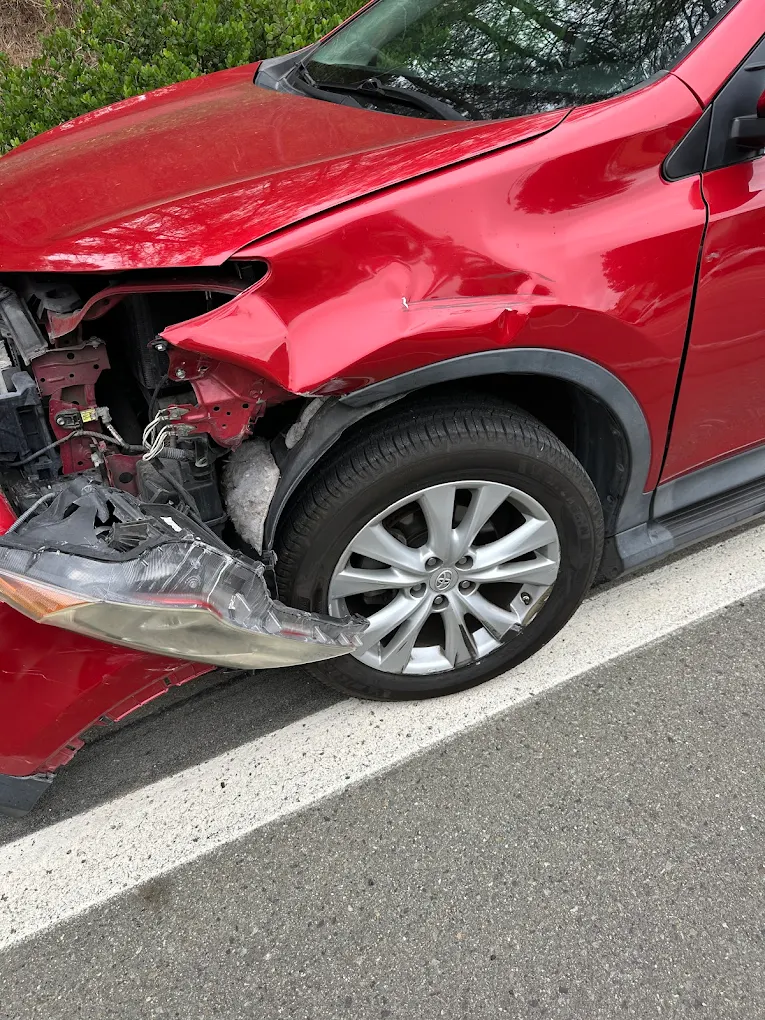
Basic After Accident Checklist San Diego Drivers Can Use
Use this after accident checklist San Diego drivers can follow:
- Check for injuries.
- Move to a safe area if possible.
- Call 911 when needed.
- Exchange driver and insurance information.
- Take photos of the scene and vehicle damage.
- Avoid guessing about fault.
- Check whether the vehicle is safe to drive.
- Arrange a tow if the vehicle may not be safe.
- Contact your insurance company if you plan to file a claim.
- Schedule a repair estimate for visible damage.
- Review California DMV reporting rules if injury, death, or major property damage is involved.
Car Accident Repair Steps San Diego Drivers Should Know
The repair process usually starts after the scene is safe and the damage has been documented.
Common car accident repair steps San Diego drivers may go through include:
- damage review
- repair estimate
- insurance claim review, if used
- parts and repair planning
- body repair
- paint or refinish work
- reassembly
- final review
Every repair is different. The exact process depends on the vehicle, damage location, insurance involvement, parts availability, and whether hidden damage appears during repair.
For a full explanation, visit our auto body repair process guide.
When to Contact a Body Shop After an Accident
Contact a body shop when your vehicle has visible exterior damage after an accident.
This may include:
- bumper damage
- dents
- scratches
- scraped paint
- cracked bumper cover
- loose panels
- broken lights
- damaged fenders
- accident-related paint damage
- possible frame damage
If you are not sure what type of repair you need, start with an estimate.
CollisionFix can review the visible damage and explain the next step.
What Not to Do After a Car Accident
After an accident, avoid common mistakes.
Do not:
- leave the scene if information still needs to be exchanged
- skip photos
- ignore warning lights
- drive a car that may not be safe
- throw away accident paperwork
- approve repairs without understanding the estimate
- assume small bumper damage is only cosmetic
- delay contacting insurance if you plan to file a claim
- try to force loose parts back into place without inspection
If the car has visible body damage, get a repair estimate before making final decisions.
Helpful San Diego and California Resources
For official information, these resources may help:
- City of San Diego Traffic Accidents, Reports, Tickets and Concerns
- California DMV Accident Reporting
- California Department of Insurance Accident Guide
- California Bureau of Automotive Repair
CollisionFix can help with vehicle damage review and repair direction. Official resources can help with accident reporting, insurance guidance, licensing checks, and consumer information.
chedule a Collision Estimate in San Diego
You do not have to guess what your vehicle needs after an accident.
If your car has bumper damage, dents, scratches, paint damage, loose panels, or collision-related body damage, CollisionFix can review the visible damage and explain the next repair step.
Frequently Asked Questions
Check for injuries, move to a safe area if possible, turn on hazard lights, and call 911 if anyone may be hurt or the scene is unsafe. After that, exchange information, take photos, and document the damage.
Yes. Take photos of the vehicles, damage, license plates, road position, nearby signs, broken parts, and anything that helps show what happened. Photos can help with insurance and repair estimates.
Call police or emergency help if anyone is injured, traffic is blocked, a driver leaves the scene, there is major damage, or the situation feels unsafe. The City of San Diego says SDPD responds only to injury accidents and certain hit-and-run collisions with injuries or suspect information. San Diego Official Website
California DMV says an SR-1 report must be submitted within 10 days if anyone is injured or killed, or if property damage is over $1,000. Check the DMV’s official accident reporting page for current requirements. California DMV
You can contact your insurance company after the accident and ask what information they need. A repair estimate can also help you understand the visible damage and repair direction before repairs begin.
Yes. Your insurance company may refer you to a body shop, but California insurance guidance also notes that you may choose your own shop. California Department of Insurance
Yes. Your insurance company may refer you to a body shop, but California insurance guidance also notes that you may choose your own shop. California Department of Insurance
Do not drive if you see leaking fluid, smoke, loose parts, rubbing tires, broken lights, steering problems, warning lights, or airbag deployment. If you are unsure, arrange a tow and have the vehicle reviewed.
A collision estimate may include visible damage, labor, parts, paint materials, refinishing, notes, and possible hidden-damage items. The estimate may change if more damage is found during closer inspection.
Yes. A bumper hit may damage clips, brackets, sensors, paint, mounting points, or areas behind the bumper cover. That is why a repair estimate is helpful even when the damage looks minor.
It depends on your coverage, deductible, damage amount, and claim situation. If you are unsure, compare the estimate with your insurance options before making a decision.
Contact CollisionFix when your vehicle has visible exterior damage, bumper damage, paint damage, dents, scratches, loose panels, or accident-related body damage. Start with an estimate so you understand the repair path.