Insurance Collision Repair in San Diego, CA
After an accident, the insurance repair process can feel confusing.
You may have a claim number, an adjuster estimate, photos, a deductible, repair notes, or questions about what happens next.
CollisionFix helps San Diego drivers with insurance collision repair by reviewing the vehicle damage, explaining the repair estimate, and helping you understand the repair side of the claim process.
We do not sell insurance or decide coverage. We help with the vehicle repair, estimate review, and repair guidance.
Help With Collision Repair Insurance Claims
Insurance-related body repair often has several moving parts.
You may need photos, an estimate, adjuster review, repair approval, parts review, paint work, and possibly a supplement if hidden damage is found.
CollisionFix can help you understand:
- insurance estimate details
- visible accident damage
- possible hidden damage
- adjuster estimate questions
- repair authorization steps
- supplement needs
- body, bumper, frame, and paint repair items
- what may need to happen before repairs begin
Our job is to explain the repair side clearly so you know what your vehicle may need.
Bring Your Claim Details and Estimate
If you already have insurance paperwork, bring it with you or send it when scheduling your estimate.
Helpful items may include:
- claim number
- adjuster estimate
- insurance photos
- damage notes
- deductible information
- repair authorization details
- contact information for the claim
- any messages from the insurance company
You do not need to have everything ready before contacting us. If you are unsure what to bring, we can help you understand what may be useful.
How Insurance Collision Repair Usually Works
Every claim is different, but many insurance-related repairs follow a similar path.
1. The Accident Is Reported
You may report the accident to your insurance company or the other driver’s insurance company. They may ask for photos, a statement, and vehicle details.
2. The Damage Is Reviewed
The first review may come from an insurance adjuster, photo estimate, or body shop estimate. This first estimate usually focuses on visible damage.
3. The Estimate Is Compared to the Vehicle
CollisionFix can review the visible damage and help you understand whether the estimate reflects what can be seen on the vehicle.
4. Repair Authorization Is Confirmed
Before repairs begin, the repair path should be clear. Depending on the claim, authorization may involve you, the insurance company, or both.
5. Hidden Damage May Be Found
Some damage is hidden behind bumpers, panels, lights, trim, brackets, or structural areas. This damage may not appear in the first estimate.
6. A Supplement May Be Needed
If extra damage is found, the estimate may need an update. This update is called a supplement.
7. Repairs Are Completed and Reviewed
After the repair work is complete, the repaired areas should be checked for fit, finish, and appearance.
What Is a Supplement in Auto Body Repair?
A supplement is an update to the original repair estimate.
This often happens when hidden damage becomes visible after damaged parts are removed. A bumper may hide broken clips. A panel may hide damage underneath. A part may look repairable at first but need replacement after closer review.
A supplement does not always mean something went wrong. It usually means the first estimate did not show every repair need.
CollisionFix can help explain what was found and why the repair estimate may need to change.
What an Insurance Repair Estimate May Include
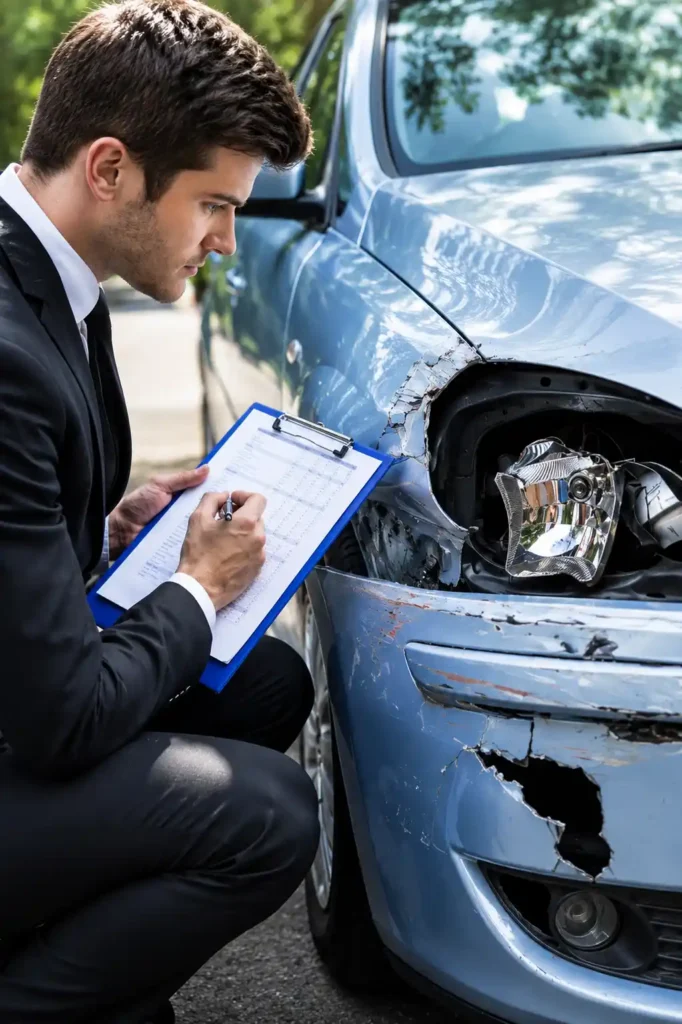
An insurance estimate may include several repair items. The exact details depend on the damage, vehicle, parts, and claim situation.
Common items may include:
- body labor
- paint and refinish work
- replacement parts
- repair parts
- bumper repair or replacement
- panel repair
- frame or structural review
- trim, clips, brackets, and hardware
- paint materials
- shop supplies
- supplement notes if more damage is found
For a deeper explanation, read our guide on what is included in a collision repair estimate.
Auto Body Insurance Repair for Accident Damage
Insurance-related repair may include more than one type of body work.
Your vehicle may need:
- auto collision repair after an accident
- frame damage repair after a stronger impact
- bumper repair or replacement
- panel repair
- paint repair
- parts replacement
- repair documentation for the claim process
CollisionFix helps connect the damage to the right repair path.
Should You Use Insurance or Pay Out of Pocket?
Not every body repair needs an insurance claim.
Some drivers use insurance when the damage is major, accident-related, or more expensive than expected. Others may choose to pay out of pocket for smaller repairs, depending on the deductible and claim situation.
CollisionFix can explain the repair needs. Your insurance company should answer policy, deductible, coverage, and payment questions.
For more help, read should I use insurance for auto body repair?.
Questions to Ask Before Approving Insurance Repairs
Before you approve work, ask clear questions.
Useful questions include:
- What damage is visible right now?
- Could hidden damage be found later?
- Does the estimate include paint work?
- Are parts being repaired or replaced?
- What happens if a supplement is needed?
- Who approves the repair?
- What should I ask the insurance company about payment?
- What is my deductible?
- Do I need claim approval before repairs begin?
These questions help you avoid confusion and make a better decision.
Clear Repair Guidance Without Unsupported Claims
CollisionFix focuses on clear communication, practical repair guidance, and quality materials.
Our team uses high-quality paints, materials, proper tools, equipment, and OEM or qualified replacement parts when appropriate to help restore vehicles safely and reliably.
We do not claim to be OEM-certified, factory-certified, manufacturer-certified, luxury-certified, or I-CAR Gold. We focus on helping you understand your damage, your estimate, and your repair options.
Schedule an Insurance Collision Repair Estimate
If your vehicle was damaged in an accident and insurance may be involved, CollisionFix can help you understand the repair side of the process.
Schedule an estimate today. We will review the damage, explain what we see, and help you understand the next step.
Frequently Asked Questions
Insurance collision repair is vehicle repair after an accident when an insurance claim may be involved. It can include an estimate, adjuster review, repair authorization, supplements, body repair, paint work, parts, and final repair review.
You can ask questions and choose a repair shop you trust. Your insurance company may suggest a shop, but you should understand your options before approving repairs.
An adjuster estimate is the insurance company’s review of the vehicle damage and expected repair cost. It may be based on visible damage and may change if more damage is found during repair.
A supplement is an update to the original estimate. It may be needed when hidden damage is found after parts are removed or after the repair plan changes.
Yes. Hidden damage can affect the repair plan. Bumper, panel, trim, bracket, paint, or frame-related damage may not be fully visible during the first review.
It depends on your deductible, repair cost, policy, and claim situation. CollisionFix can explain the repair needs, but your insurance company should answer coverage questions.
Yes. CollisionFix can help you understand visible damage, repair items, possible supplements, and what may be included in the estimate.
If a hard impact may have affected the structure, the frame or structural area should be reviewed. Visit our frame damage repair page for more information.
The cost depends on the damaged parts, paint work, labor, replacement parts, and whether hidden damage is found. A repair estimate is the best way to understand the expected cost for your vehicle.
Collision coverage generally helps pay for damage to your vehicle from a collision, but coverage depends on your policy, deductible, and claim details. Ask your insurance company for coverage decisions.
Collision repair may include bumper repair, body repair, paint work, frame review, parts replacement, and final fit-and-finish checks. The exact repair depends on the accident damage.
Schedule an estimate with CollisionFix. We will review the accident damage, explain what we see, and help you understand the repair path.